Go to SendWork
— Free for 7 Days
Full access
Full access

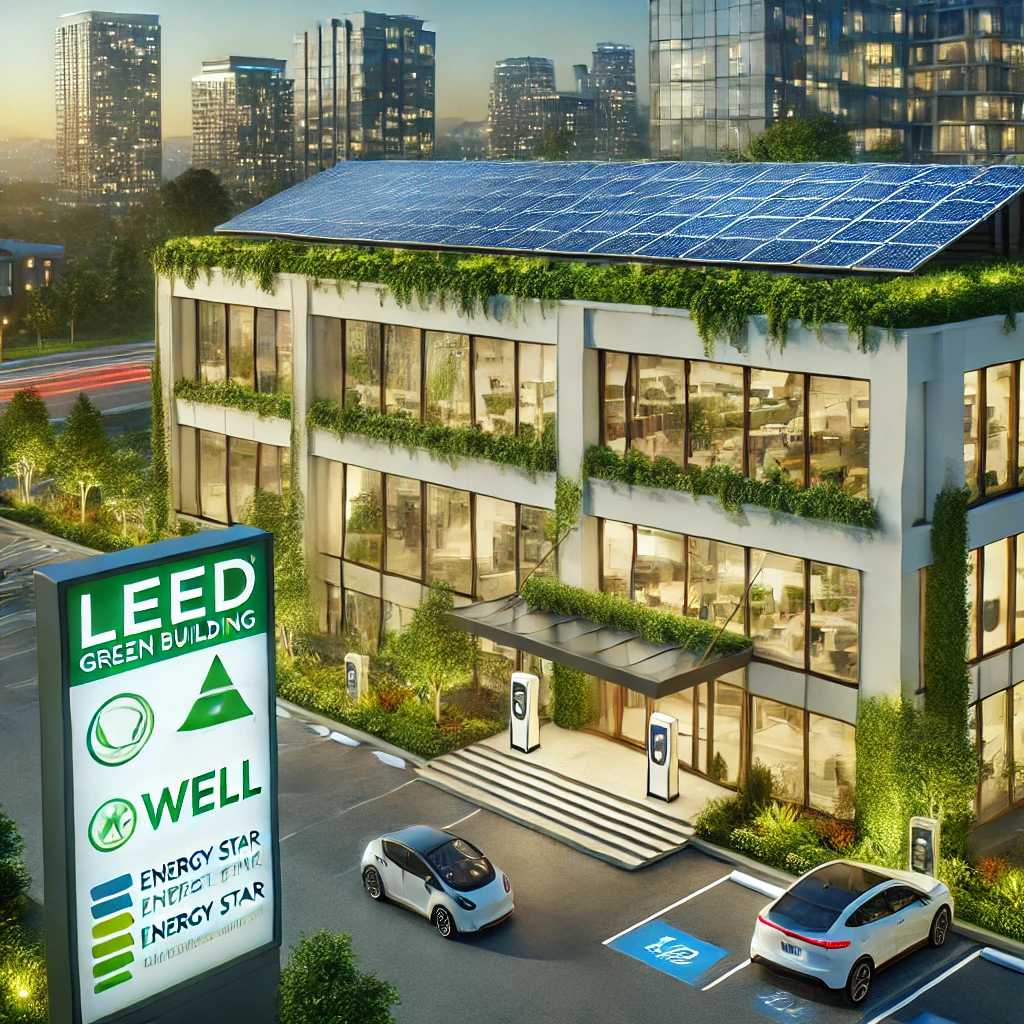
Explore how green building certifications like LEED, WELL and ENERGY STAR boost building value, sustainability and contractor success.
Green building certifications have emerged as a vital benchmark in the construction and real estate industries. Certifications such as LEED, WELL, and ENERGY STAR signal a property’s commitment to sustainability, energy efficiency, and occupant well-being, making them increasingly valuable in today’s environmentally conscious market. For contractors, understanding and leveraging these certifications can lead to significant opportunities in retrofitting projects, adding both tangible and intangible value to buildings.
Explore the innovative strategies and powerful stories shaping a greener, more sustainable future. Tune in to gain actionable insights and inspiration.
🎙️ Watch on YouTube
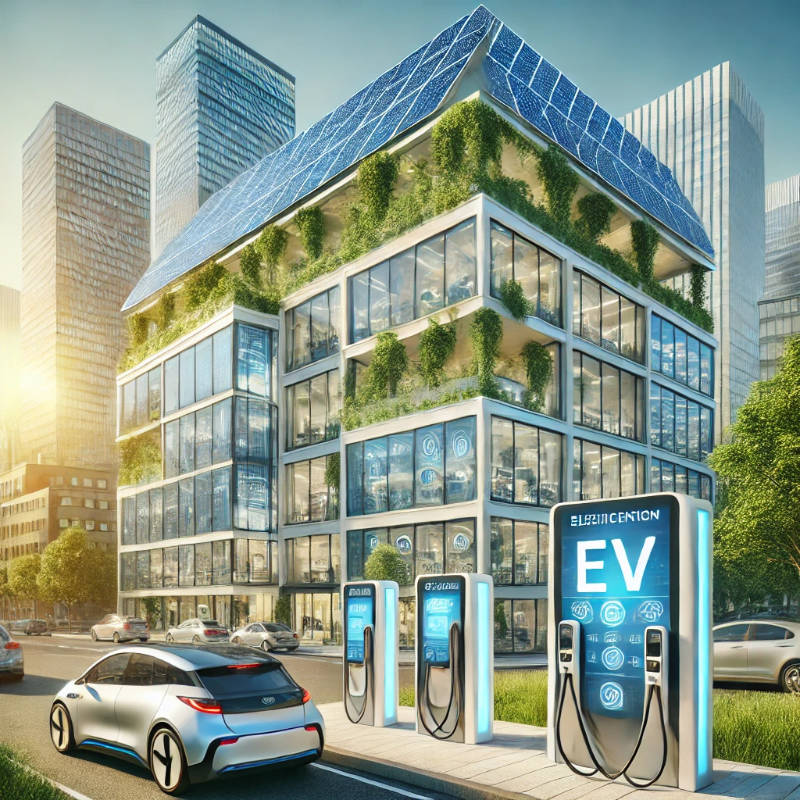
| Certification | Focus | Value Proposition | Key Points for Contractors | Cost |
|---|---|---|---|---|
| LEED | Energy efficiency, reduced environmental impact, sustainable practices | Increased property values, operational savings, tax incentives, attracts environmentally conscious tenants and buyers | Implement energy-efficient systems, smart grids, renewable energy integration | $20,000 – $60,000 |
| WELL Building Standard | Health and well-being of occupants | Promotes better indoor air quality, lighting, and thermal comfort | Focus on HVAC upgrades, low-emission systems, optimized lighting solutions | $12,000 – $111,000 |
| Energy Star | Energy efficiency and environmental performance | 35% less energy use and fewer greenhouse gas emissions, lower utility costs | Retrofit with high-efficiency HVAC, LED lighting, energy monitoring tools | $1,000 – $1,500 |
Green certifications provide measurable benefits that align with market demands, particularly in retrofitted buildings. They:
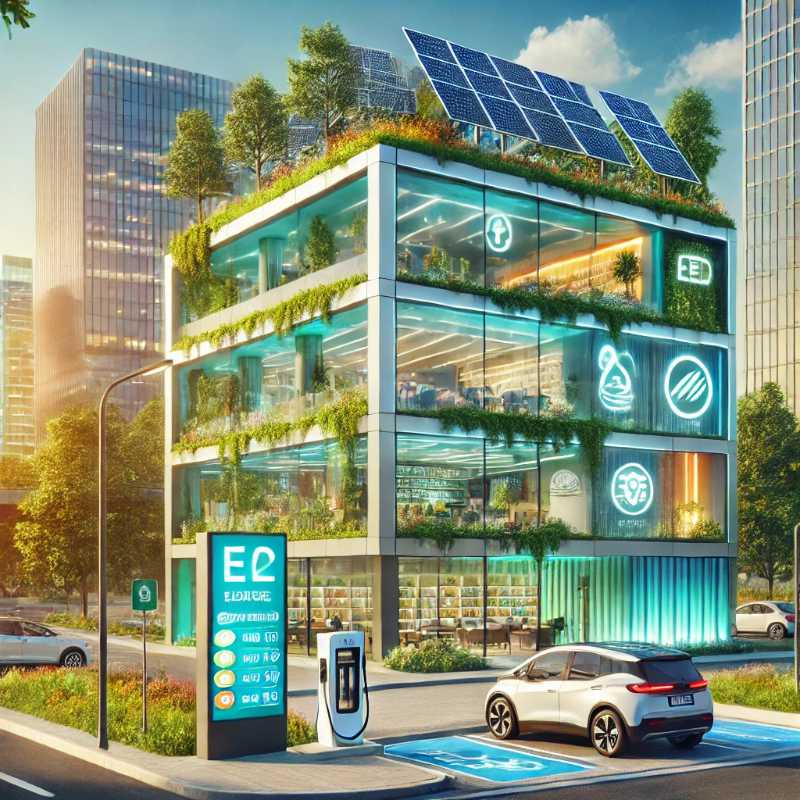
Contractors must familiarize themselves with the LEED, WELL, and ENERGY STAR certification criteria. Online training resources and certification-specific workshops can help contractors stay up-to-date.
Collaborating with architects, sustainability consultants, and energy auditors ensures that retrofitting projects meet certification requirements. These partnerships streamline the process and add credibility to a contractor’s offerings.
Retrofitting with renewable energy systems, energy-efficient appliances, and advanced monitoring tools not only aids in certification but also provides long-term value to building owners.
Emphasizing certifications’ return on investment (ROI) can convince clients to pursue them. Highlight benefits such as increased property value, operational cost savings, and alignment with corporate sustainability goals.
A landmark retrofit project, the Empire State Building underwent extensive upgrades, including improved insulation, energy-efficient windows, and advanced building controls. The result: a 38% reduction in energy use and $4.4 million in annual savings.
As the first WELL-certified office globally, this project prioritized employee health through enhanced air and water quality, ergonomic design, and optimized lighting to support productivity and well-being.
A 55-year-old office building was transformed into a sustainability powerhouse through deep retrofits. The project included high-efficiency HVAC systems, advanced insulation, and solar energy integration, achieving the highest levels of green certification.
Green building certifications are rapidly becoming a cornerstone of sustainable construction across the globe. With over 100,000 LEED-certified projects spanning 180 countries, the reach and influence of these certifications continue to expand. The increasing demand for energy-efficient and sustainable spaces is evident as businesses and individuals prioritize healthier and more efficient environments.
The WELL Building Standard has witnessed a surge in adoption as awareness of occupant health and well-being grows. In a post-pandemic world, the focus on indoor air quality, lighting, and thermal comfort has prioritized WELL certification for both commercial and residential spaces.
Energy Star certification remains a benchmark for energy efficiency, offering a proven pathway to cost savings and environmental benefits. Certified buildings use 35% less energy and produce significantly fewer greenhouse gas emissions, making them an attractive choice for cost-conscious property owners and tenants.
Green building certifications are no longer optional in the construction and retrofitting landscape—they are essential. Understanding and integrating certification guidelines into their projects allows electrical contractors to attract premium clients, increase profitability, and contribute to a sustainable future. As businesses and individuals prioritize sustainability and health, certified buildings stand out as leaders in innovation and environmental responsibility.
By positioning themselves as experts in certification-focused retrofitting, contractors can play a pivotal role in transforming the built environment and driving the shift toward a greener, healthier planet.