Go to SendWork
— Free for 7 Days
Full access
Full access

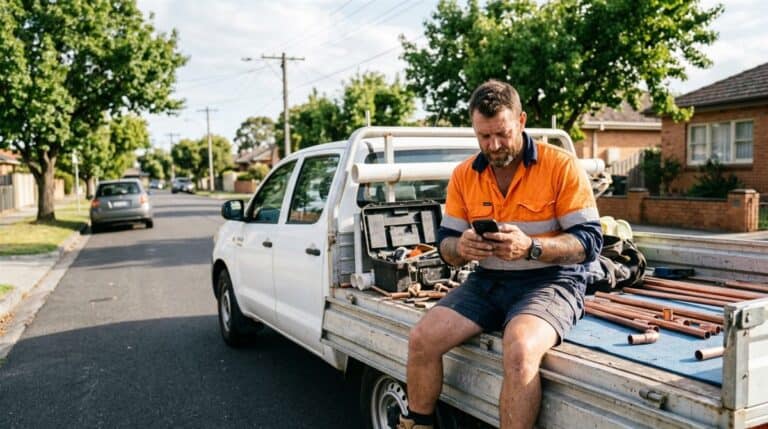
A builder takes you on for a year of townhouse work while your past takings sit under $75,000. You may already have to register for GST within 21 days. Count the next twelve months, not just the last twelve.
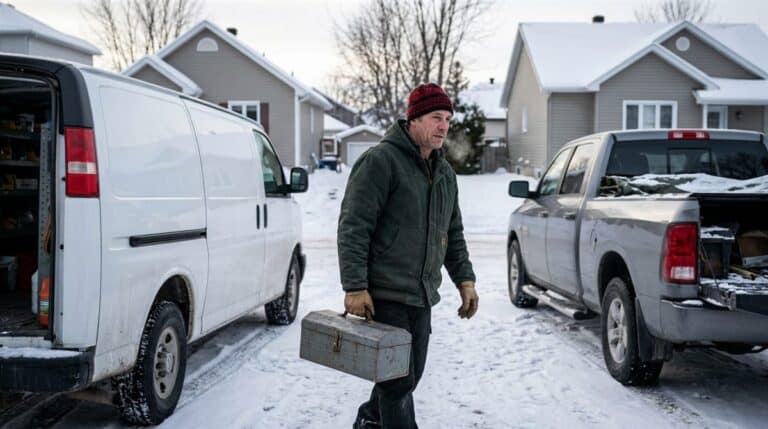
On 1 December, a Quebec-plated van still on all-seasons can't legally leave the yard. In BC, a crew on summer tires can be turned back at the highway sign. Here's which vans need winter tires, and when to book the changeover.

Your new labourer starts on Monday 30 November, and his CWPS isn't set up on payroll yet. If his first payslip goes out without it, auto-enrolment can put him into MyFutureFund. Here's who on your crew it catches, and what it costs you.

At your year-end meeting, your accountant asks whether you want the GST/HST Quick Method for 2027. On the same $120,000 of sales in Ontario, it saves a painter $2,407 and costs a renovator $3,053. What you buy decides it.
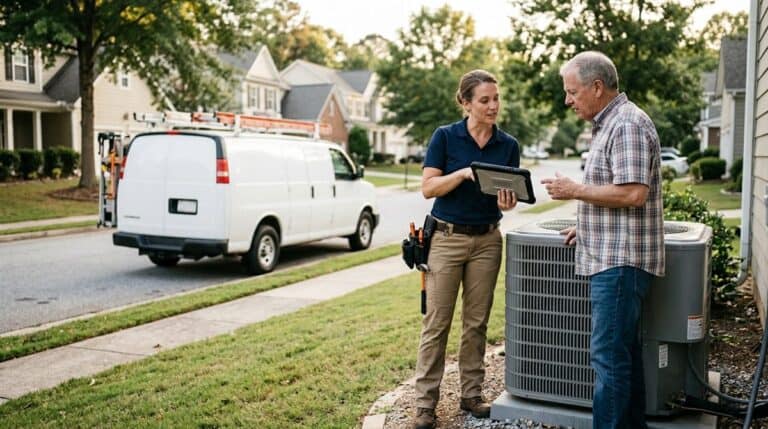
Your flyer says $79 for a furnace tune-up, and the homeowner's invoice says $143. In six US states, an ad with hidden fees like that now breaks the law. The $143 has to be the price you advertise.
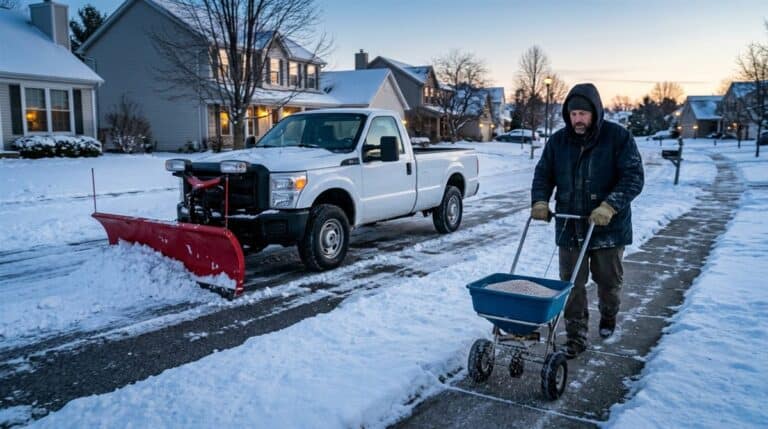
Your plowing sales in Ohio pass $5,000 for the year, and from then on every plow visit carries sales tax, next winter included. Here's which states charge snow removal sales tax, and what it means for the salt you buy.
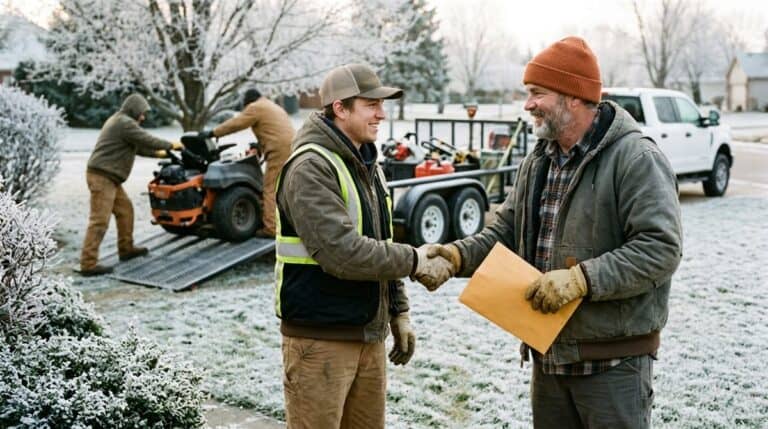
You tell four of your crew on Friday there's no work until March. In California, that winter layoff makes their final checks due on the spot, recall date or not. Here's what five states want paid and handed over before they leave.
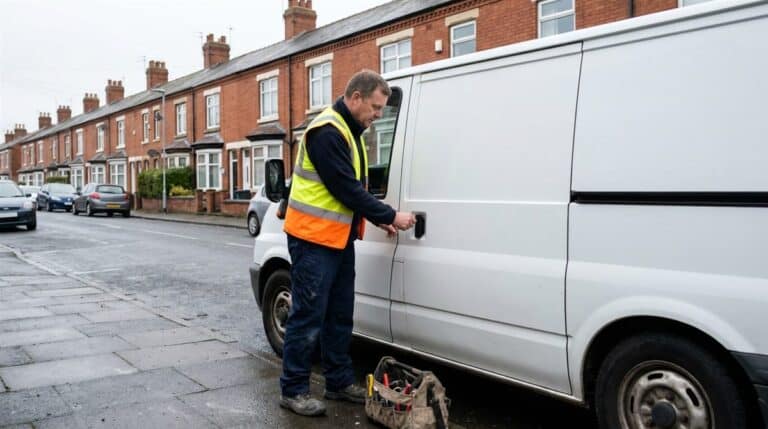
From April 2027 in the UK, a weekly supermarket run in the works van brings a £4,310 van benefit, plus £825 if you pay its private fuel. Keep that van to commuting, and the charge can be nil.

From 6 August 2028, your apprentice's overtime stops feeding into holiday pay. Under New Zealand's Employment Leave Act you pay its leave value as 12.5%, on the same payslip. The standard hours you write down now decide which hours qualify.
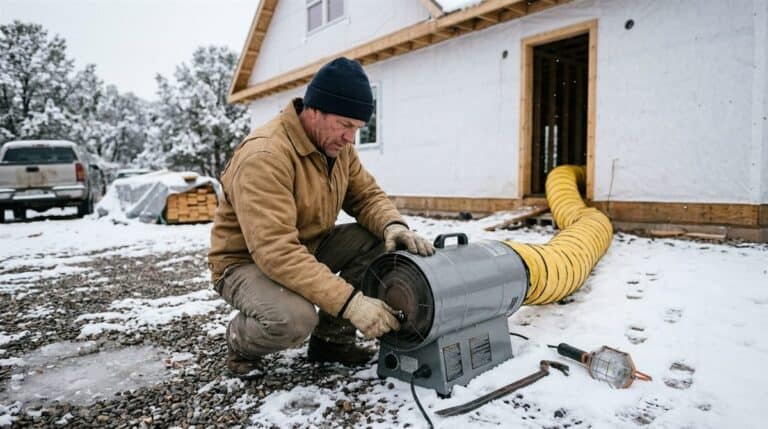
You light a propane heater in a closed-in house to dry the mud, and its exhaust stays with your crew. In the US, OSHA allows temporary heaters indoors on its conditions, and a six-step morning routine meets them.