Go to SendWork
— Free for 7 Days
Full access
Full access

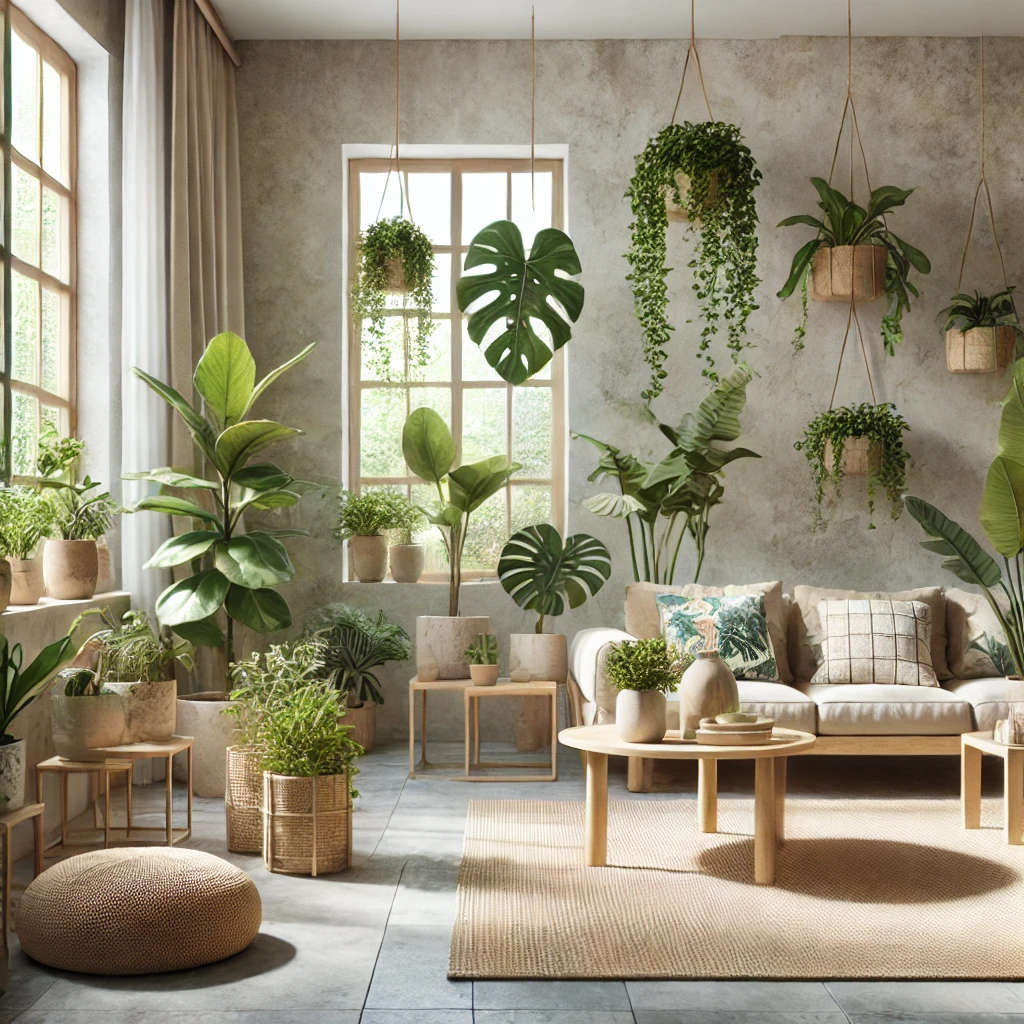
Biophilic design is revolutionizing interior spaces by seamlessly merging the beauty of nature with modern aesthetics. This design approach goes beyond adding greenery—it’s about creating immersive environments that enhance well-being by fostering a connection to the natural world. Whether through nature-inspired colors, textures, or eco-conscious materials, biophilic design can transform your home or business into a tranquil retreat. Let’s explore how decorators and painters can harness these principles to stay on trend and deliver serene, sustainable spaces.
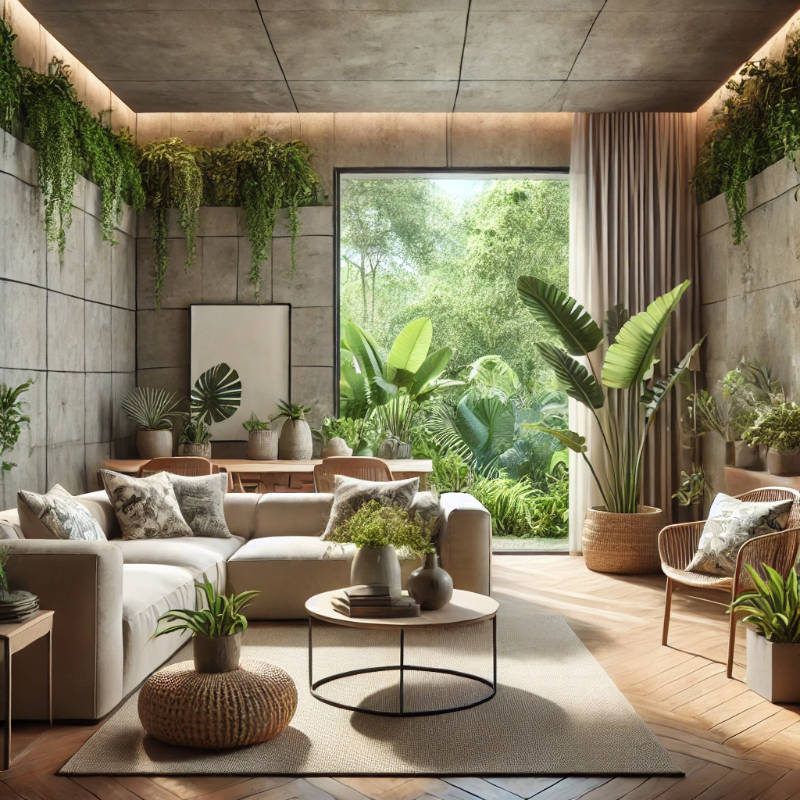
Colors rooted in nature are at the heart of biophilic design. Earthy tones and hues inspired by forests, oceans, and skies evoke a sense of calm, balance, and connection. These palettes work across diverse settings, from residential sanctuaries to rejuvenating commercial spaces.
Why It Matters: Offering these palettes caters to clients seeking wellness-focused designs that feel timeless and versatile.
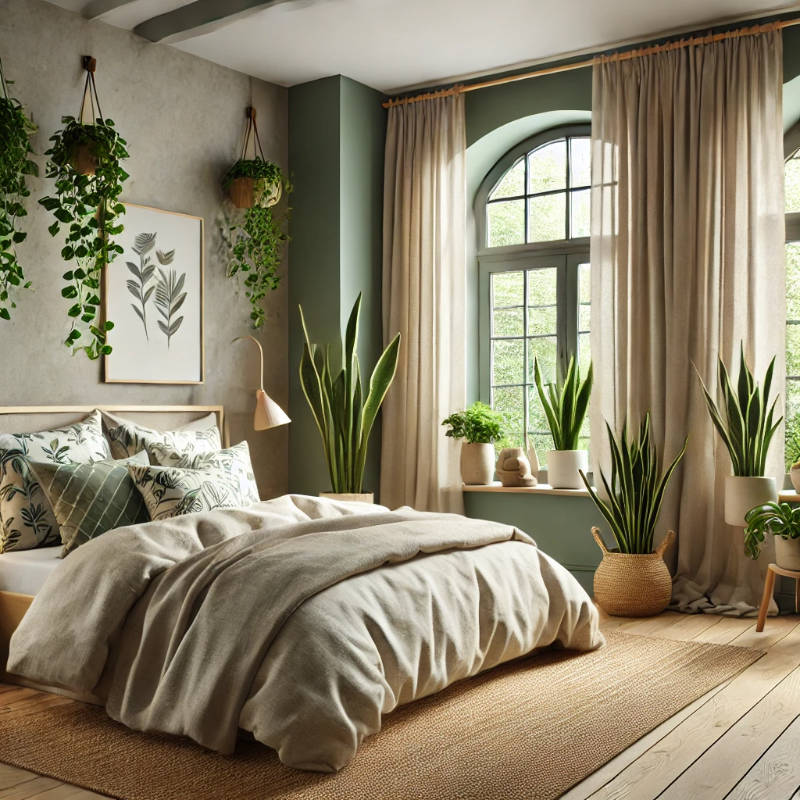
Biophilic design extends beyond color by emphasizing natural textures that bring the outdoors in. From textured wall finishes to wood and stone-like accents, these elements create a tangible connection to nature.
Why It Matters: Incorporating tactile elements makes spaces more engaging and aligned with the soothing qualities of nature.
Sustainability is integral to biophilic design. Using eco-conscious materials reduces environmental impact while enhancing the health of interior spaces.
Why It Matters: Today’s clients prioritize green living, making these choices essential for meeting demand.
The simplest yet most impactful way to embrace biophilic design is by incorporating live plants. They improve air quality, reduce stress, and provide a direct connection to nature.
Why It Matters: Offering plant integration advice sets decorators apart while elevating designs with vibrant, living decor.
Biophilic patterns mimic natural forms like leaves, water, and trees, allowing decorators to bring nature indoors visually. Whether through wallpapers, textiles, or murals, these patterns amplify the biophilic experience.
Why It Matters: Nature-inspired designs are versatile and can be customized to match any style or space.
Explore how biophilic design brings nature indoors, enhancing well-being and creating harmony between spaces and the natural world.
🎙️ Powered by iHeart Podcasts
Maximizing natural light is a cornerstone of biophilic design. Pairing this with reflective, light-enhancing paint colors creates bright, open interiors that feel connected to the outdoors.
Why It Matters: Enhancing natural light improves mood and boosts the biophilic qualities of a space, making it more inviting.
Biophilic design is reshaping interiors by blending natural elements with sustainable practices. From earthy color palettes and textures to eco-friendly materials and indoor plants, this trend fosters well-being while staying stylish and environmentally responsible. Decorators and painters who embrace these principles can deliver transformative, timeless spaces that reflect the beauty of nature.
If you’re inspired by the principles of biophilic design and want to dive deeper into the topic, here are some valuable resources to explore:
These resources provide both theoretical insights and practical tips for embracing biophilic design in your spaces, ensuring your journey toward a more natural and nurturing environment is well-supported.