Go to SendWork
— Free for 7 Days
Full access
Full access

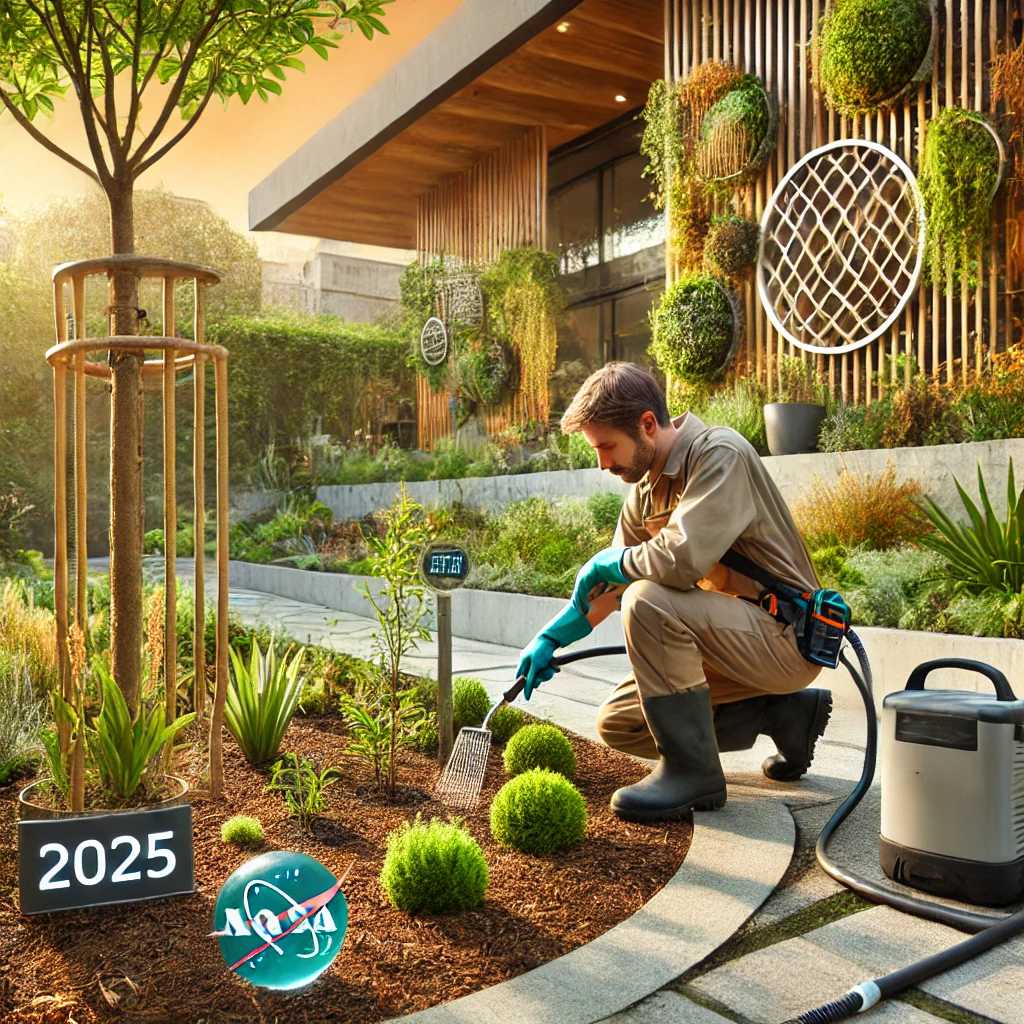
The landscaping and gardening industry is rapidly transforming, driven by technological shifts, consumer preferences, and environmental awareness. As we look ahead to 2025, landscaping and gardening trends, contractors, and landscape professionals are poised to benefit from these trends, emphasizing sustainability, smart technology, and innovative design solutions.
In this comprehensive blog, we’ll explore the vision for the future of landscaping and gardening, focusing on key trends, challenges, and opportunities that will shape the industry in the coming years.
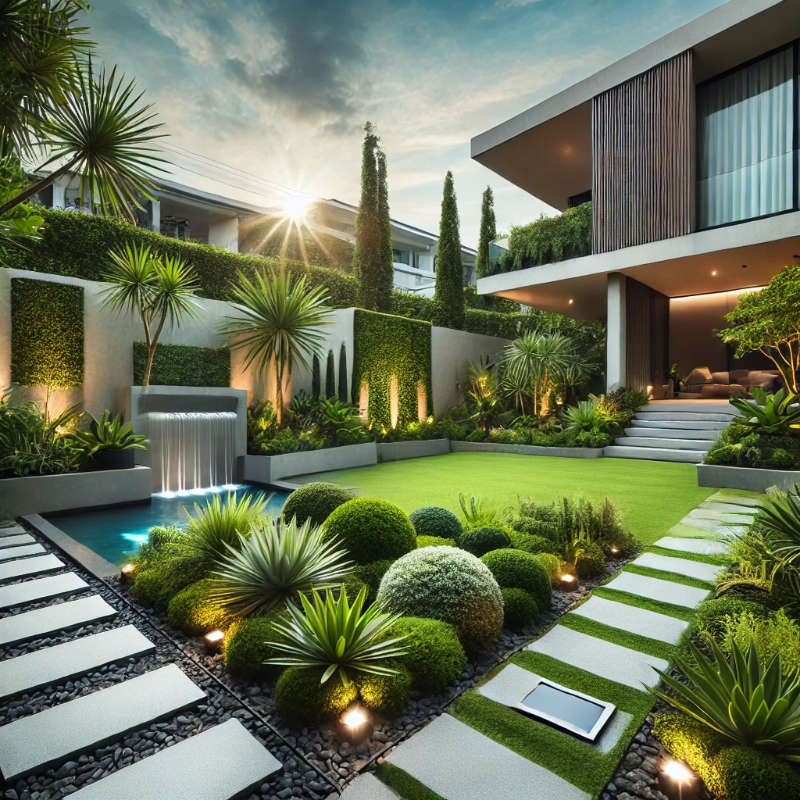
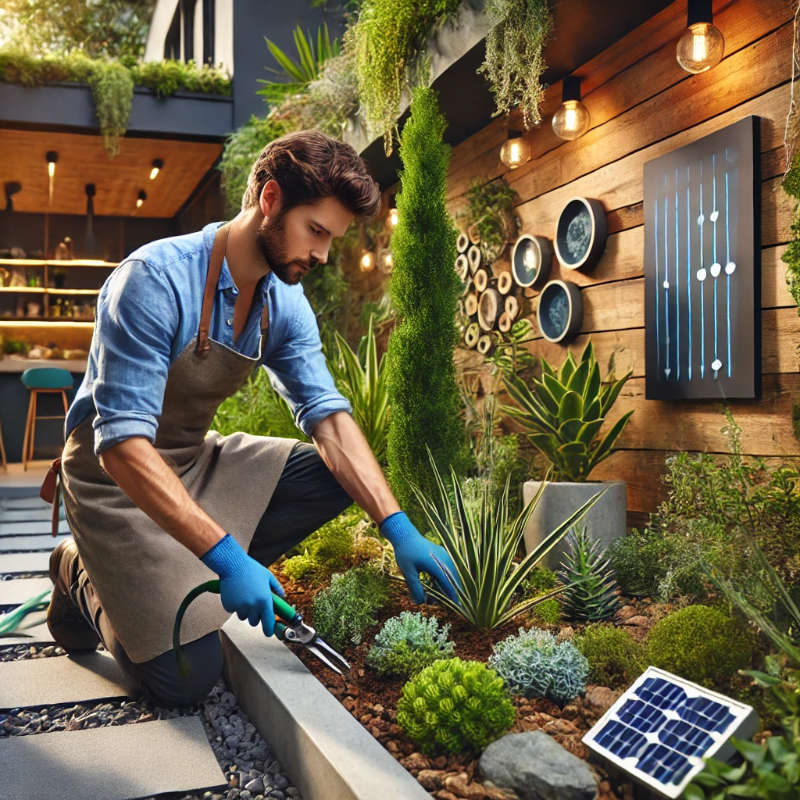
Sustainability has moved from a niche interest to a central tenet of modern landscaping. By 2025, this trend is expected to evolve further, with residential and commercial clients seeking eco-friendly solutions that reduce water consumption, lower carbon footprints, and promote biodiversity.
Key Trends:
In the next few years, the shift toward regenerative landscaping—which restores and enhances the land—will further set contractors apart in a competitive market.
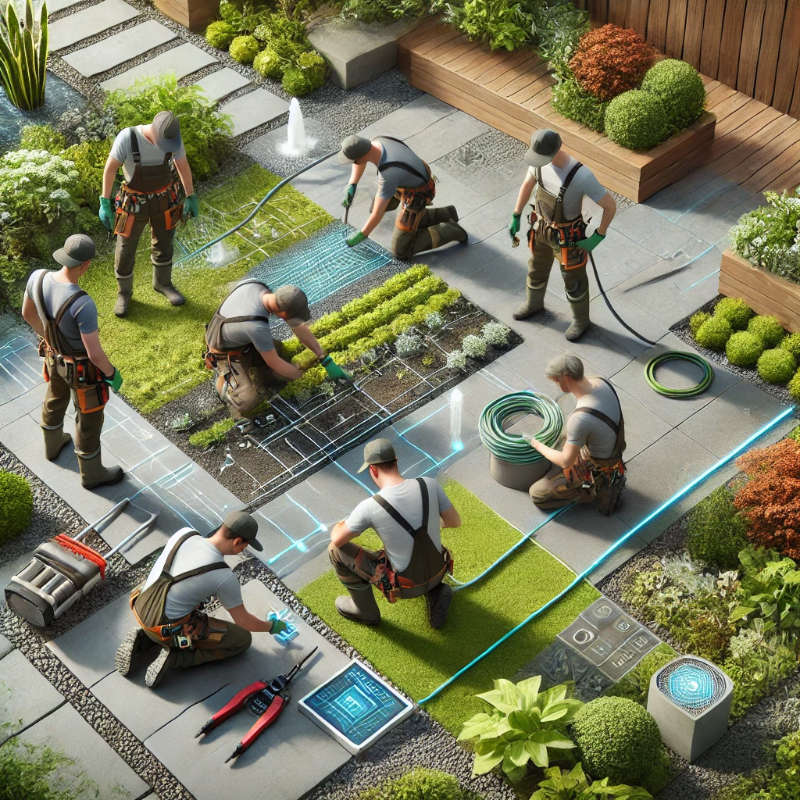
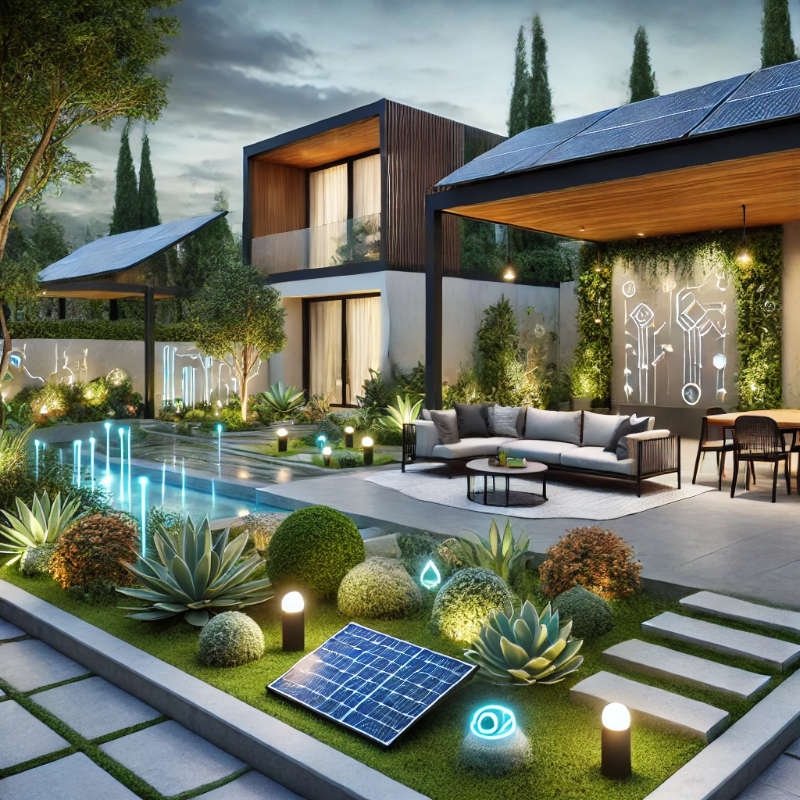
Technology is becoming an essential tool in the landscaping and gardening industry. Integrating smart technology offers enhanced efficiency and precision, helping contractors easily manage tasks like irrigation, lighting, and maintenance.
Top Smart Tech Trends for 2025:
These innovations improve operational efficiency and offer contractors a competitive edge by providing higher levels of customization and real-time adjustments.
Adapting to changing climate conditions is one of the industry’s most significant challenges 2025. Contractors who can offer climate-resilient solutions will be well-positioned to thrive.
Key Climate-Resilient Practices:
Contractors who stay ahead of these climate trends will help clients create resilient, sustainable spaces that can withstand future environmental challenges.
As the wellness movement grows, landscape designs promoting health and relaxation will see increased demand. Gardens and green spaces are recognized as essential to improving mental well-being, providing areas for meditation, exercise, and outdoor living.
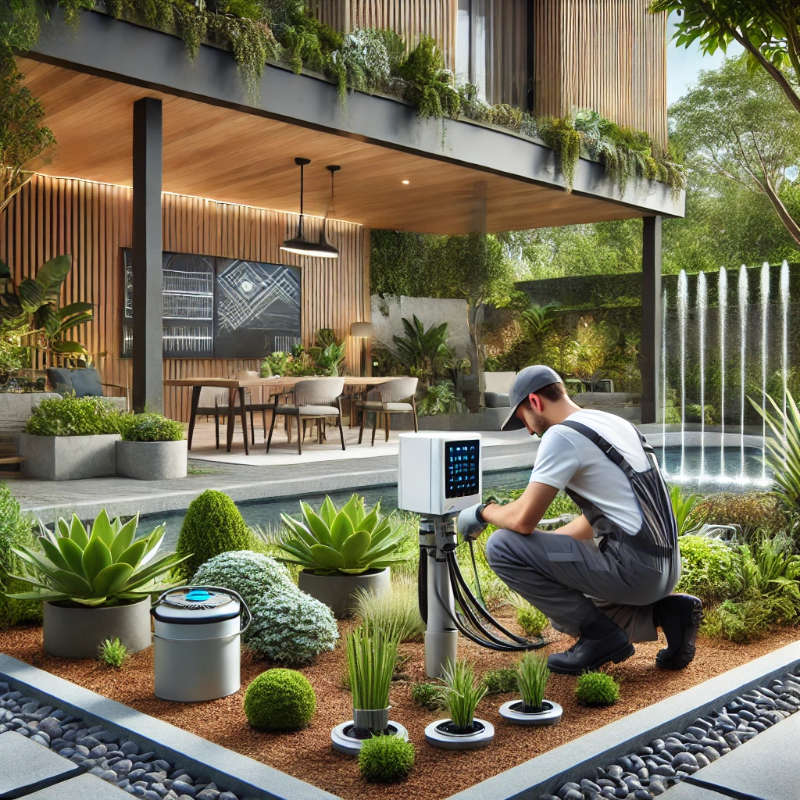
Design Trends Focused on Wellness:
These health-focused design trends allow contractors to offer more value by creating environments that promote their clients’ holistic well-being.
Time-saving, low-maintenance solutions are expected to dominate in 2025. Busy homeowners and businesses opt for landscape designs requiring less frequent upkeep without sacrificing aesthetics.
Key Features of Low-Maintenance Landscapes:
This shift toward low-maintenance landscaping allows contractors to cater to clients who want beautiful outdoor spaces with minimal upkeep, ultimately saving time and money.
The rapid evolution of the landscaping and gardening industry presents opportunities and challenges for contractors. To remain competitive and profitable in 2025, contractors must adopt forward-thinking strategies.
Key Actions for Contractors:
Learn how we can help you transform your business in 2025!
The landscaping and gardening industry is evolving fast. Don’t fall behind—go to Sendwork.com to learn how we can help you stay ahead with smart technology, sustainable practices, and wellness-driven design solutions based on the latest 2025 landscaping and gardening trends.
The vision for the landscaping and gardening industry’s future is clear: sustainability, technology, and wellness are at the forefront of the trends shaping 2025. By adapting to these trends, contractors can offer innovative, future-proof solutions to their clients. Whether through sustainable practices, cutting-edge technology, or wellness-focused designs, the opportunities are vast. Contractors who embrace these changes will enhance their business growth and contribute to a greener, healthier future.
This evolving industry offers immense potential for contractors ready to seize the moment. Stay ahead of the curve by adopting the latest trends and positioning your business as a modern landscape and gardening leader.