Go to SendWork
— Free for 7 Days
Full access
Full access

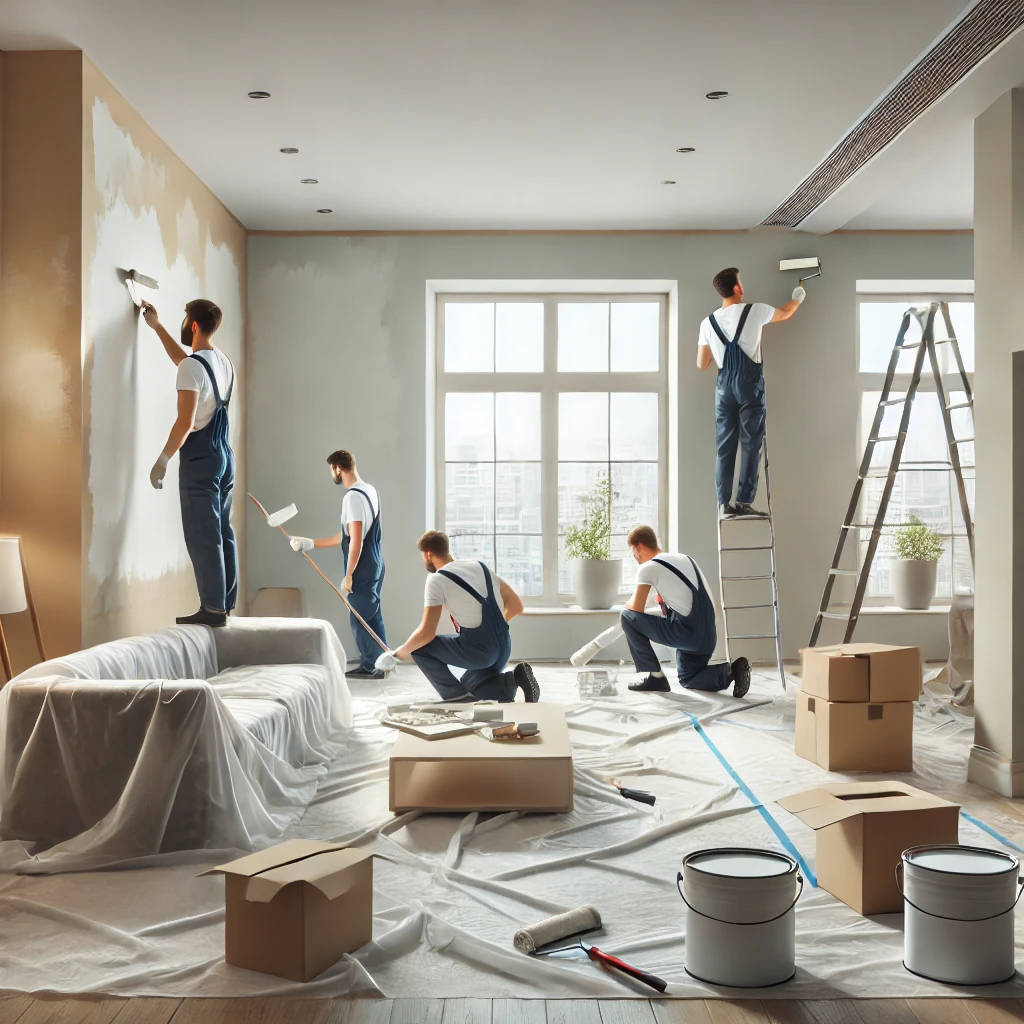
Explore the top 2025 painting and decorating trends, including eco-friendly materials, smart tech, and personalized designs for modern spaces.
The painting and decorating industry is on the brink of an artistic evolution, with 2025 set to usher in a bold fusion of creativity, technology, and sustainability. For decorators and painters, the coming trends aren’t just about choosing colors—they represent a shift toward environmentally conscious materials, intelligent applications, and personalized designs that cater to aesthetic and functional tastes. This blog delves into the transformative 2025 painting and decorating trends, offering insights that can inspire and inform professionals looking to stay ahead in this dynamic field.
✨ In this episode, we explore the latest painting and decorating trends for 2025, focusing on innovative ways to elevate living and workspaces. ✨
🎙️ Powered by iHeart Podcasts 📻
As environmental awareness grows, eco-consciousness is at the heart of 2025’s decorating trends. Painters and decorators are increasingly seeking out sustainable paints with low or no VOC (volatile organic compounds) and biodegradable or recycled materials for wall treatments. Homeowners demand greener options, and manufacturers respond with eco-friendly products that don’t compromise quality or color vibrancy.
Key benefits of sustainable materials:
“The demand for sustainable materials in interior design has grown by more than 50% over the past five years as consumers and professionals alike seek to reduce their environmental footprint.”
– John Smith, CEO of Sustainable Interior Solutions
In 2025, color trends will move beyond standard palettes to embrace hyper-personalization. Paint and decor professionals collaborate closely with clients to create unique, personalized palettes that reflect individual tastes, lifestyles, and the specific function of a space. From vibrant tones that energize living spaces to muted, calming hues for home offices, colors are carefully chosen to influence mood and well-being.
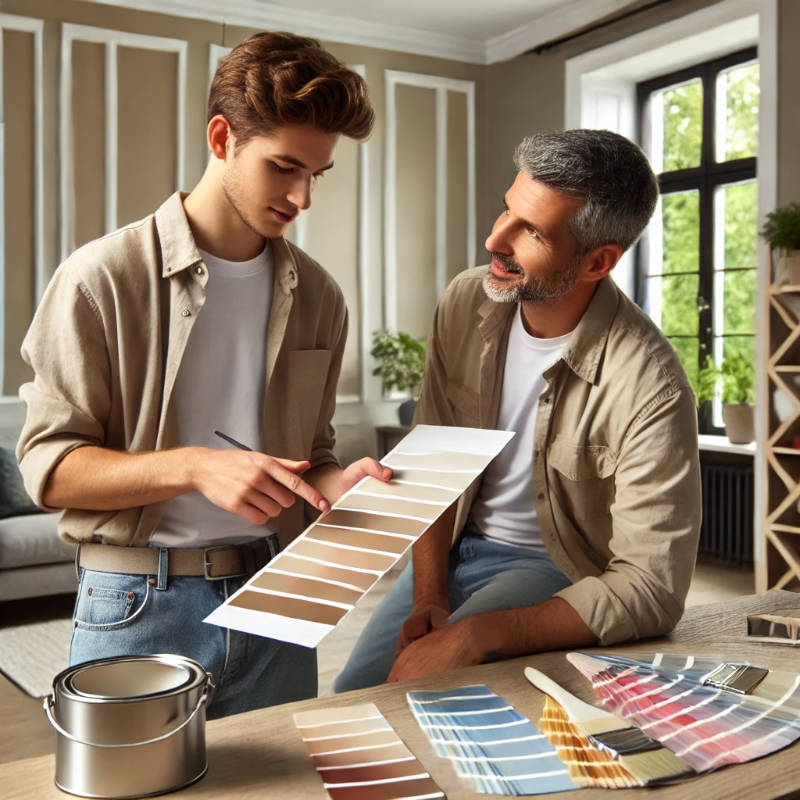
Notable 2025 color trends:
“In 2025, 8 out of 10 interior designers predict that personalized color palettes will dominate home decor as homeowners seek to create spaces that reflect their individuality and lifestyle.”
– 2025 Interior Design Forecast, American Society of Interior Designers (ASID)
Technology is weaving into the decorating industry, bringing new ways to apply and experience painting. Innovative paint, which can change colors with temperature shifts or lighting, is gaining popularity for its adaptability and aesthetic versatility. Additionally, augmented reality (AR) tools allow homeowners to visualize paint colors and design elements in their spaces before any brush touches the wall.
Tech-driven decorating tools:
“Smart paint technology is revolutionizing the way we approach interior design. By 2025, the market for smart coatings is expected to exceed $11 billion, driven by demand for dynamic, responsive environments.”
– Industry Report on Coating Technology, Allied Market Research
Flat, smooth walls give way to textural treatments that add depth and dimension to interior spaces. In 2025, we’ll see more demand for decorative finishes like Venetian plaster, textured wallpapers, and 3D wall panels that create a rich, tactile experience. These elements add layers to a space, making walls an integral part of the overall design rather than just a backdrop.
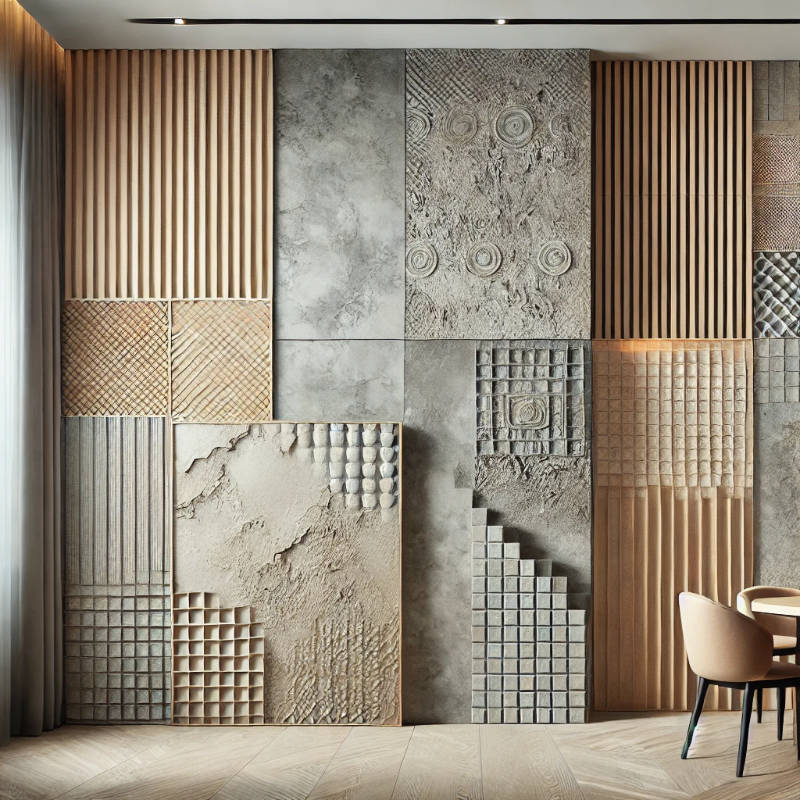
Trending textures in 2025:
“More than 60% of consumers report that personalized color schemes improve their overall satisfaction with a living space.”
– 2024 Home Design Consumer Survey, Sherwin-Williams
Biophilic design, which focuses on incorporating natural elements into the built environment, will continue to gain traction in 2025. In painting and decorating, this means using nature-inspired colors, textures, and patterns to create spaces that feel calming and connected to the natural world. Earth tones, botanical motifs, and materials like wood and stone are all integral to this trend.
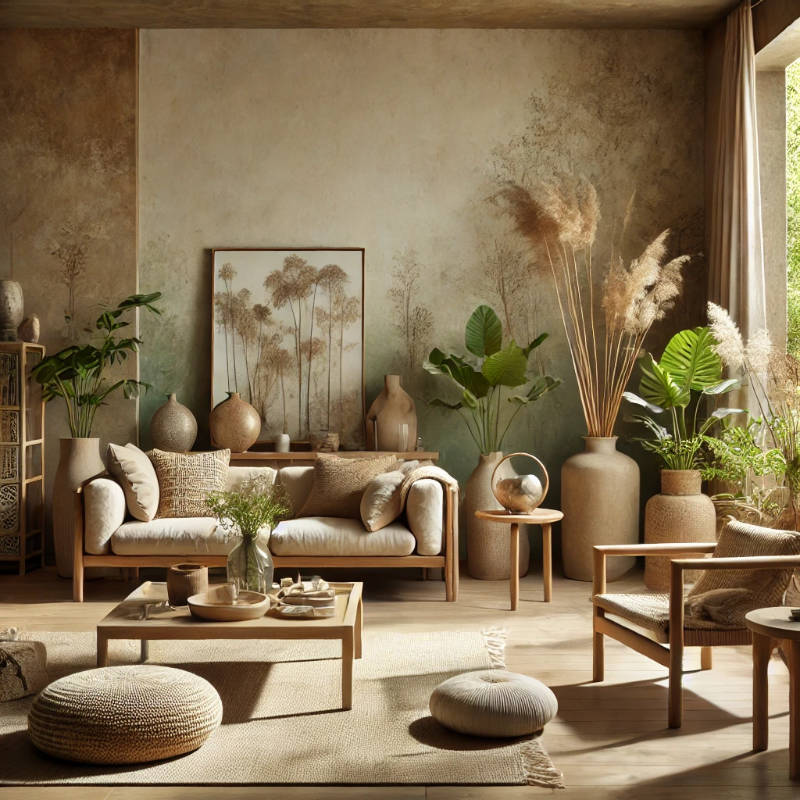
Biophilic design in action:
“Research shows that biophilic design can improve well-being, with workplaces reporting a 15% increase in productivity when incorporating natural elements.”
– Source: Human Spaces Global Report on Biophilic Design
As homeowners prioritize flexible living spaces, decorators must adapt to the growing trend of multifunctional rooms. Whether transforming a living room into a workspace or a bedroom into a yoga studio, the choices of painting and decor must enhance aesthetics and functionality. Creative use of color can delineate zones within a single space, while innovative wall treatments add to the practical value of each area.
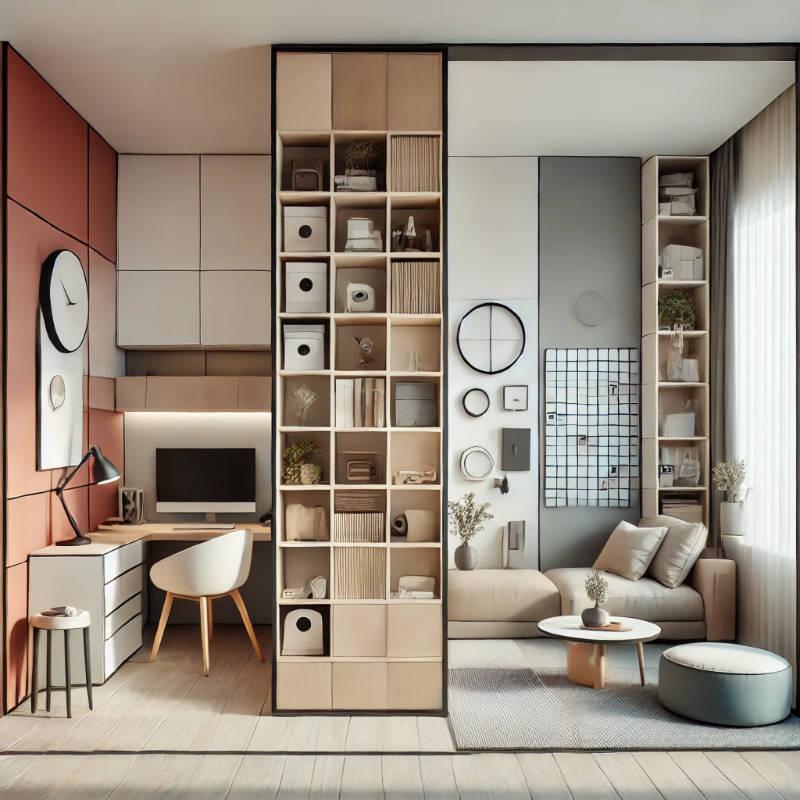
2025 decorating ideas for multifunctional spaces:
“The rise of multifunctional spaces reflects the evolving needs of modern homeowners. In 2025, 73% of homeowners are expected to prioritize flexible designs that support work, leisure, and personal activities in a single space.”
– 2025 Home Design Trends Report, National Association of Home Builders (NAHB)
One of the more exciting dichotomies emerging in 2025 is the balance between minimalist and maximalist design. Minimalist maximalism is about striking the perfect equilibrium between clean, simple lines and bold, expressive elements. This trend encourages decorators to incorporate statement pieces, bold colors, or dramatic artwork within otherwise minimalist spaces, creating a powerful visual contrast that’s both captivating and modern.
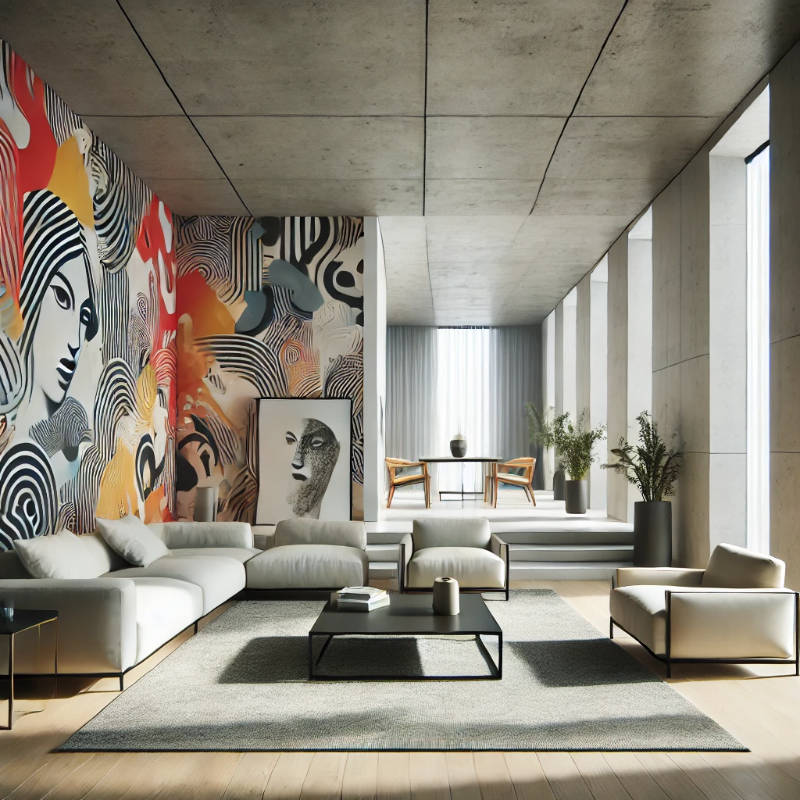
How to incorporate minimalist maximalism:
“Minimalist maximalism is the art of balance. It allows for bold, expressive pieces to stand out without overwhelming the space, providing a clean yet vibrant aesthetic that more homeowners are embracing.”
– Emily Clark, Founder of Modern Spaces Interior Design
Color and chemistry moved in the same direction. Both major lines made the warm, earthy turn official for 2026: Benjamin Moore named Silhouette AF-655, an espresso brown with charcoal undertones, its Color of the Year, while Sherwin-Williams chose Universal Khaki SW 6150, a midtone warm neutral. The biophilic, grounded palette this article flagged didn’t fade — it became the default request sheet, with earthy browns, muted greens, and layered neutrals leading residential repaints. For crews, deeper bases mean more careful coverage: rich browns and saturated accents show lap marks and thin spots far more readily than the safe greiges of a few years ago.
Low- and zero-VOC stopped being a premium upsell and became the shelf standard. High-performance lines like Benjamin Moore Aura and Sherwin-Williams Emerald anchor the top tier, and visualization has gone fully mainstream — clients now arrive having already “painted” the room in tools like ColorSnap Visualizer or a ColorReader scan, which shortens color selection but raises the expectation that the finished wall matches the screen. Antimicrobial and high-performance coatings kept expanding in healthcare, hospitality, and commercial fit-outs, opening spec-driven work for operators willing to document compliance.
The cost side is where operators actually feel 2026. Tariff and supply pressure on coating raw materials — titanium dioxide, resins, and related inputs — has pushed material prices up and made fixed-price quotes riskier to hold across a long backlog. Skilled finish-carpentry and experienced painter labor stayed tight, so the margin increasingly lives in accurate estimating, scheduling, and not absorbing mid-job price increases. The trend story from 2025 is intact — it just comes with a thinner cushion.
The painting and decorating trends of 2025 represent more than just aesthetic shifts—they signal a deeper integration of sustainability, technology, and personalization into the industry. For contractors and professionals, embracing these trends offers a unique opportunity to elevate their work, appeal to a broader audience, and remain competitive in a rapidly evolving market. As we move into this new era of design, staying ahead of these innovations will be vital in shaping beautiful but also functional, sustainable, and future-proof spaces.
Ready to stay ahead of the 2025 design trends?