Go to SendWork
— Free for 7 Days
Full access
Full access

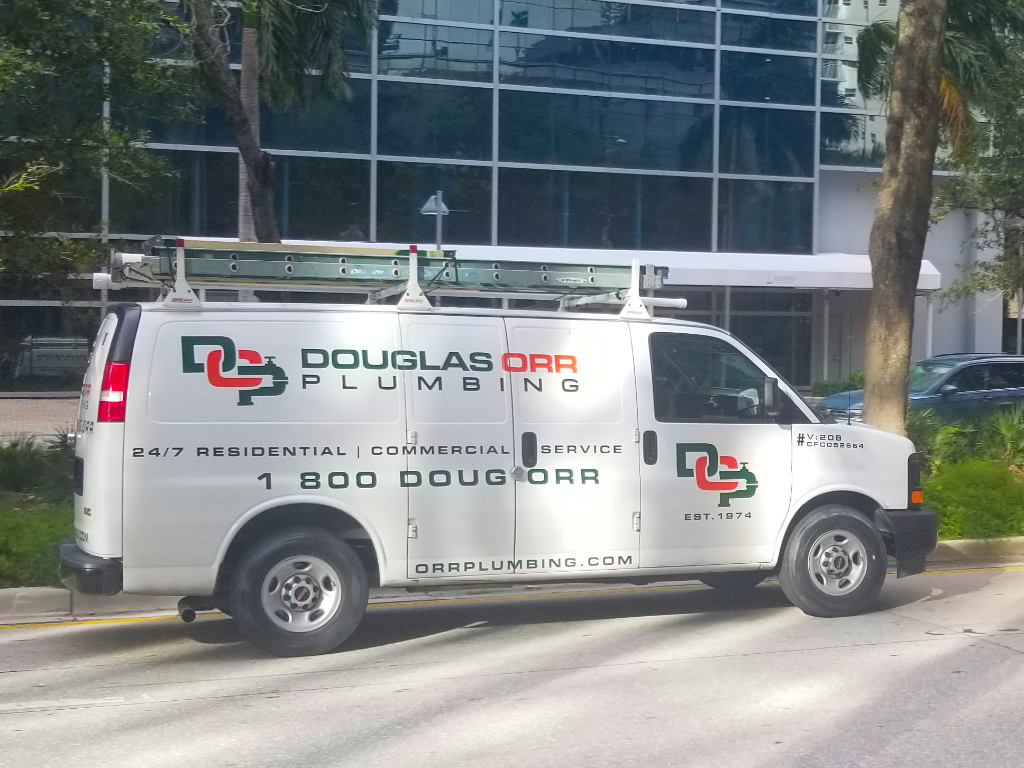
Find the right service radius for your home service business: 5-10 miles in cities, 20-30 in rural areas, so travel time doesn't eat your profit.
The Optimal Radius for Home Service Providers: Balancing Distance, Time, and Profitability
Home service providers, also known as field contractors, offer services directly to clients at their homes or businesses. These professionals include electricians, plumbers, HVAC technicians, landscapers, and more. One crucial factor for the success of a home service provider is determining the optimal service radius for accepting work. This blog post will discuss general rules of thumb for busy urban cities, towns, and rural areas and provide examples of when it would be beneficial or disadvantageous to accept a job based on distance and time factors.
The optimum radius for home service providers depends on several factors, including population density, urban or rural settings, transportation infrastructure, and the specific services offered. Let’s discuss these factors in more detail:
When accepting work as a home service provider, the distance you’re willing to travel and the time it takes to get to the job site are crucial factors to consider. The optimal service radius may differ based on operating in a busy urban city, a town, or a rural area. This section will discuss general rules of thumb for determining the appropriate service radius for various environments.
| Service Radius | Travel Time | |
|---|---|---|
| Urban Cities | 5-10 miles | 30-45 minutes |
| Towns | 10-15 miles | Under 30 minutes |
| Rural Areas | 20-30 miles or more | Under 1 hour |
In urban cities, traffic congestion and parking can greatly impact the time and cost of providing services. As a result, it’s often best to focus on a relatively small service radius. Here are some general guidelines for urban areas:
Towns typically balance the density of urban areas and the space of the rural regions. Traffic and parking issues may be less severe, allowing you to expand your service radius slightly. Here are some general guidelines for towns:
Rural areas present unique challenges for home service providers due to the increased distance between clients and potentially limited customer base. Here are some general guidelines for rural areas:
When starting out as a field contractor or home service provider, it’s essential to recognize that there is no one-size-fits-all approach. Factors such as the type of service, local demand, and competition in the area will influence your business’s optimal service radius and travel time.
However, using the general guidelines in this blog can help you establish a service radius that suits your needs while navigating the learning curve. As you gain experience and a deeper understanding of your market, you can adjust your service radius and travel time to better serve your clients and maximize your business potential.
Remember, the key to success in the home service industry lies in balancing efficiency, client satisfaction, and profitability. You can continuously optimize your business operations and strive for growth in this competitive and dynamic field by monitoring your travel time, service radius, and client base.