Go to SendWork
— Free for 7 Days
Full access
Full access

Compliance guides for UK contractors and tradespeople, covering HMRC self-assessment, CIS scheme, trade body accreditation, and Building Regulations.

The nine details a landlord gas safety record must carry under regulation 36, how the two-month early window keeps the landlord's deadline, what to write when an appliance is unsafe, and how long the record is kept.
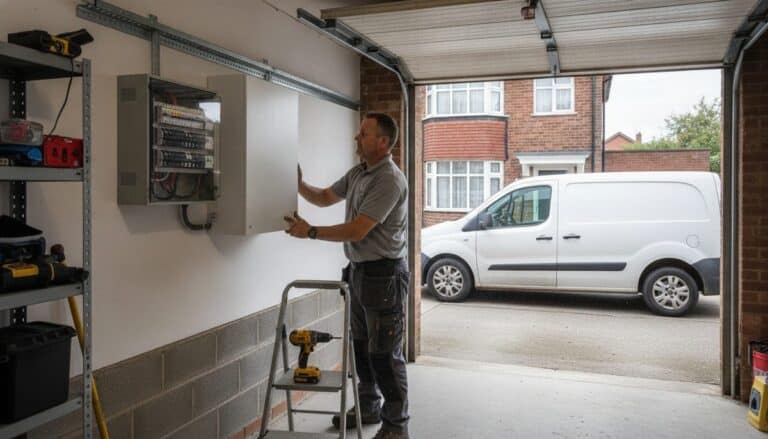
Amendment 4 has been the only current version of BS 7671 since 15 October 2026. Which version a job designed earlier can follow, what the new battery chapter covers, why an FI no longer fails an EICR, and the PNB and form changes.

In any building put up or refurbished before 2000, the law expects you to know whether asbestos is present before you disturb anything. Who holds the asbestos register, when a refurbishment survey is needed, and which work needs a licence.

A loft conversion, rear extension or chimney-breast removal on a terrace usually needs a party wall notice, served by your client one or two months before work starts. Which notice the job needs, what it must say, what fourteen days of silence triggers, and how to give a start date that holds.

Most trades who take away what they rip out need upper-tier waste carrier registration, because repair and refit waste counts as construction waste. What it costs, the paperwork each load needs, and what England's 2027 permits change.

Three Employment Rights Act dates fall in the next hundred days: tribunal time limits double on 1 October, the harassment duty follows your staff into customers' homes on 30 October, and on 1 January the unfair dismissal qualifying period drops from two years to six months. What a small building firm should change before each one.

The Building Safety Levy applies in England from 1 October 2026, and it only reaches developments of ten dwellings or more. Here is what triggers it, why the planning permission decides your answer, and what now stands between a finished house and its completion certificate.

Planning permission and Building Control are different consents, and passing one proves nothing about the other. Here's how to choose your route before you start.
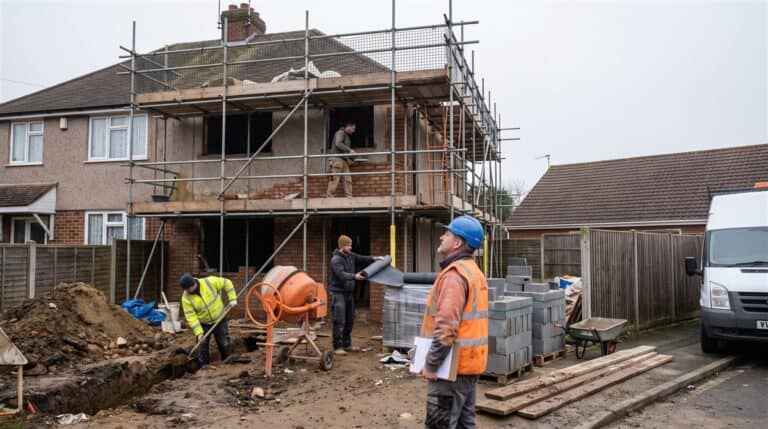
The CDM Regulations cover every construction project, not just big ones. Here's who holds which duty, and how a domestic client's duties land on the builder.

No law requires a CSCS card, yet no major site lets you past the gate without one. Here's which colour matches which qualification, and what it never proves.