Go to SendWork
— Free for 7 Days
Full access
Full access

Admin and tax resources for UK tradespeople: HMRC self-assessment, VAT registration thresholds, CIS deductions, public liability insurance, and sole trader vs limited company.
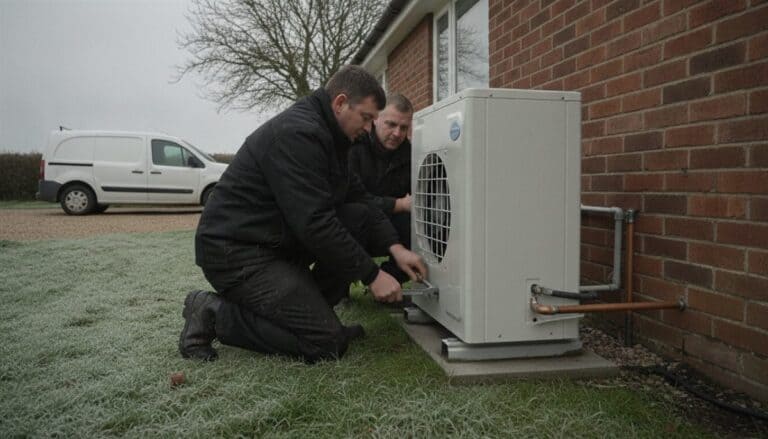
Installing heat pumps, solar panels, batteries and insulation in homes carries zero VAT until 31 March 2027, then 5%. How the tax point decides the rate on a job that slips into April, what the Boiler Upgrade Scheme leaves open, and the line to put on winter quotes.

Two tradespeople on £35,000 profit: one owes HMRC £8,747.70 on 31 January 2027, the other gets a refund. The £1,000 and 80% tests behind payments on account, how CIS deductions count, both bills worked line by line, and when it pays to ask HMRC for smaller payments.

Up to £150 a head, VAT and transport included and guests counted, and the crew's Christmas do is tax-free. Go over and the whole cost is taxable. A worked bill for a five-person crew, what crossing the line costs on a P11D or a PSA, the VAT, and the £50 gift alternative.

Labourers on variable or seasonal hours build up holiday at 12.07% of the hours they work, and you can roll their holiday pay into each payslip if you show it separately. Who counts, a worked season, and what you owe when the work ends.

A full-time labourer on the National Living Wage costs a UK trade business about £27,000 in 2026/27 before insurance. The wage, employer National Insurance after the Employment Allowance, pension, sick pay and what they need to bring in each day.

CIS still takes 20% or 30% of the labour on a subcontractor's invoice, and nothing with gross payment status. Since 6 April 2026 HMRC can remove that status overnight, the bar on reapplying is five years, and contractors must file nil returns again. The rates, the tests and what each side should do now.

The £90,000 VAT threshold rolls forward every month, and crossing it starts a 30-day clock. How the backward and forward tests work on a trade's monthly turnover, why materials count, what late registration costs, and why the Flat Rate Scheme can cost a labour-only trade more.
A business customer who pays late owes you statutory interest at 11.75% a year and £40, £70 or £100 in compensation, whether or not your terms mention it. When an invoice is legally late, how to work out the figure, how to claim it, and what the Commercial Payments Bill would change.

Making Tax Digital for Income Tax began on 6 April 2026 for turnover above £50,000. How to tell whether it applies to you, what the 7 November update contains, and why CIS subcontractors count what they invoice, not what reaches the bank.

Companies House identity verification has been law since 18 November 2025, and the November 2026 date almost every article quotes is a backstop rather than a deadline. The date that binds your company is its next confirmation statement — and the owner-director usually has a second, separate clock as a person with significant control.