Go to SendWork
— Free for 7 Days
Full access
Full access

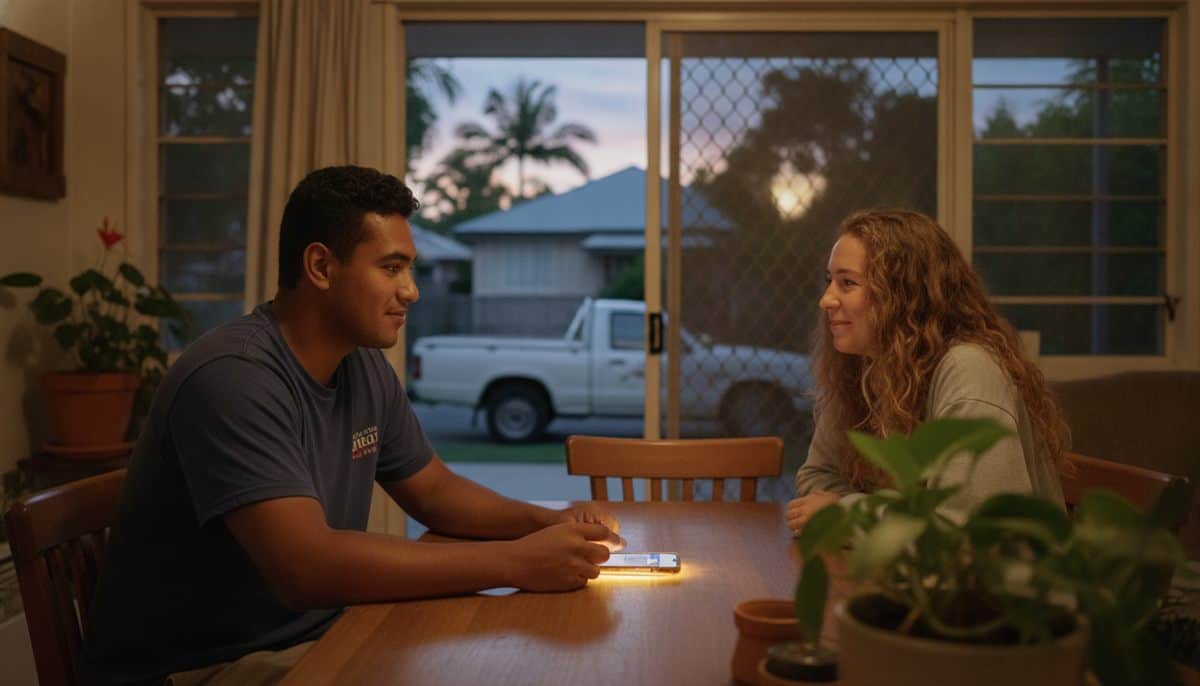
Since 26 August 2025, small business employees can refuse unreasonable after-hours contact. You can still call; what matters is why, how, and whether you pay them to be available. The five factors, what trade awards allow, and an on-call set-up.
You can still call or text your crew after hours. What changed on 26 August 2025 is that employees of small businesses gained the right to disconnect: they can refuse to monitor, read or respond to that contact unless refusing would be unreasonable. The law doesn’t make the call itself unlawful. Whether a refusal is reasonable depends on why you’re calling, whether you pay them to be available, their role and their personal circumstances. So the practical answer is a paid on-call roster for the work that can’t wait, and next-day changes sent as messages that need no reply until start time.
The right to disconnect is an entitlement in section 333M of the Fair Work Act 2009, added by the Closing Loopholes No. 2 amendments in 2024. It’s a legal requirement, not a guideline, for every national system employer. The right has applied to larger employers since 26 August 2024. Small business employers, meaning those with fewer than 15 employees, got an extra year. Every modern award now carries a right to disconnect term too, and the Fair Work Ombudsman publishes guidance on how it works.
The right covers contact, or attempted contact, outside the employee’s working hours. That includes calls and texts from you, and work-related contact from a third party such as a customer or a builder. An employee may refuse to monitor, read or respond to it “unless the refusal is unreasonable”.
Two limits matter straight away. If a Commonwealth, state or territory law requires the contact, a refusal is automatically unreasonable. And the right belongs to employees only. Subbies on an ABN aren’t covered, because the right doesn’t apply to independent contractors.
The Fair Work Ombudsman puts the other side plainly: the rules “don’t make out of hours contact unlawful”. Employees “can be required to monitor, answer or respond to calls when working overtime or when on call”. The question in any dispute is whether the employee’s refusal was reasonable, not whether you should have picked up the phone.
Section 333M(3) lists matters that anyone deciding the question must consider. It isn’t a complete list, but every case starts here:
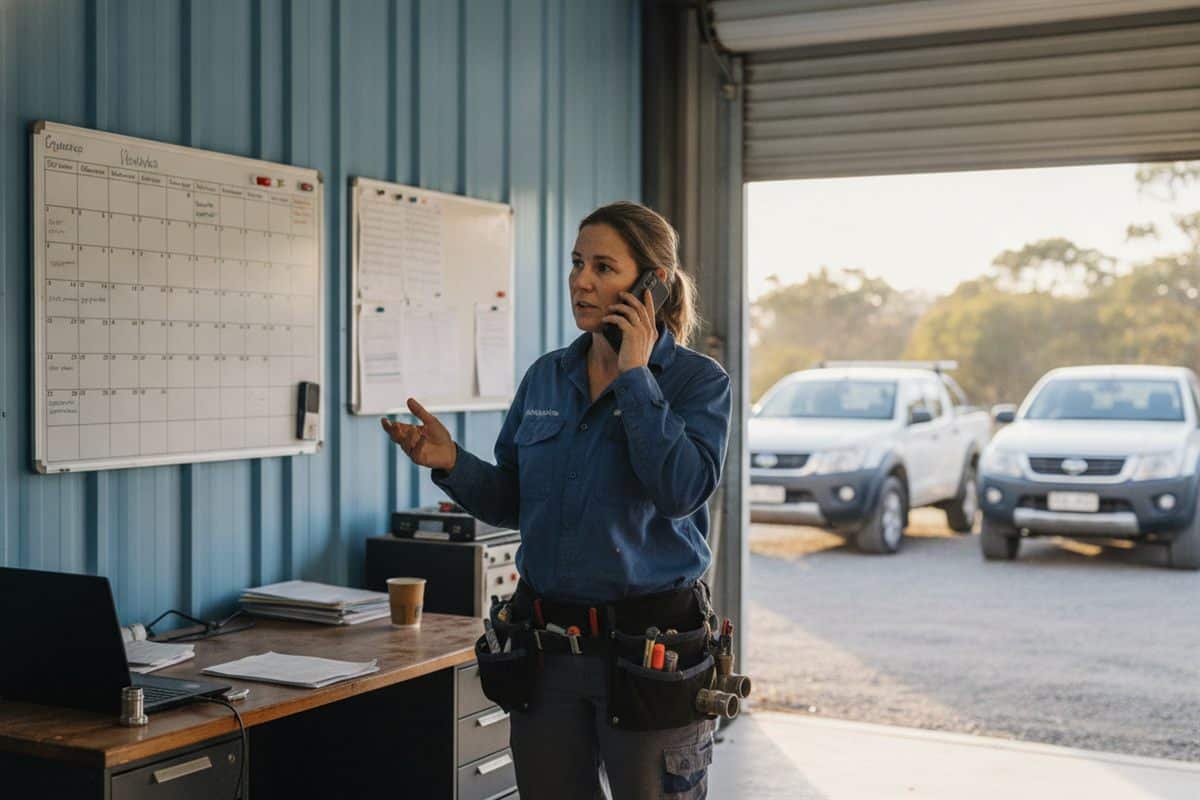
We made this example up to show how the factors work. It isn’t a ruling, and a tribunal would look at the actual facts.
An electrical contractor in Brisbane has a qualified sparky, Dan, on the weekly availability roster. He gets the Electrical award’s availability for duty allowance. At 9 pm a customer’s switchboard fails. The reason is urgent, Dan gets paid to be available, and he’s a qualified tradesperson on the roster. The award goes further: while the allowance is paid, the employer can require him to respond about attending. If he goes out, he earns at least two hours’ pay for the call-out.
The same night, the owner texts Mia, a second-year apprentice who isn’t on the roster and isn’t paid to be available. Tomorrow’s start has moved to a different site. The reason is real but not urgent tonight. Mia earns nothing for availability, and her role is junior. If she leaves the message until morning, the factors weigh very differently from Dan’s case. The fix costs nothing: agree that next-day changes come by text and need no reply until she clocks on.
The right to disconnect term in each modern award says the employer “must not directly or indirectly prevent” an employee exercising the right. Each trade award then names contact it doesn’t stop. These are the clause numbers in the current versions of five trade awards:
| Award | After-hours contact the award expressly allows |
|---|---|
| Electrical, Electronic and Communications Contracting Award (MA000025) | Requiring a response from an employee paid the availability for duty allowance (cl 20.6, $98.48 a week from 1 July 2026); recall notices (cl 13A.4–13A.5) |
| Plumbing and Fire Sprinklers Award (MA000036) | Requiring a response from an employee paid the on-call allowance, which applies to fire sprinkler fitters only (cl 17.2); recall notices (cl 15A.4–15A.5) |
| Building and Construction General On-site Award (MA000020) | Emergency roster changes for inclement weather; recall to work overtime (cl 16A.4) |
| Cleaning Services Award (MA000022) | Emergency roster changes; recall to work (cl 13A.4) |
| Gardening and Landscaping Services Award (MA000101) | Recall to work (cl 13A.4) |
Note the gap for most plumbers. The plumbing award’s on-call allowance covers sprinkler fitters, so an ordinary plumber has no award allowance for being available. They earn call-back pay only when you recall them, with a minimum of three hours. If you want a plumber reachable overnight, the allowance has to come from you, by agreement.
The Fair Work Ombudsman’s advice is to talk about expectations early, before an argument at 10 pm. For a small trade business, that comes down to a few decisions you can write into your employment agreements or a one-page policy:
The Act expects you and the employee to try to sort it out at work first. If that fails, either of you can apply to the Fair Work Commission. It can make an order to stop an employee refusing unreasonably, or to stop an employer taking action over a reasonable refusal. It can’t order money to be paid. Breaching an order is a civil remedy provision, which means penalties are possible. The Commission can arbitrate only if both sides agree.
The right is also a workplace right under the general protections. Disciplining or sacking someone because they reasonably refused an after-hours call is adverse action. The Act requires the Fair Work Commission to publish guidelines on the right. In November 2025 the Commission decided they wouldn’t yet be useful and said it would look again in about a year.
This sits alongside the other employer changes of the past two years, including Payday Super’s seven-day deadline. More are in our Australian business admin guides.
If you need someone to answer after hours, put them on a roster and pay the allowance, and the right to disconnect rarely gets in the way. If you don’t pay anyone to be available, keep evening contact to messages that can wait until morning, and expect no reply. The call that causes trouble is the one in between: an unpaid apprentice expected to answer at night about something that could have waited.
FEWER 9 PM TEXTS START AT 3 PM
Settle tomorrow’s schedule before the crew knocks off.
Most evening messages are tomorrow’s job changes. SendWork lets you schedule and assign jobs during the day, and each tradie sees their updated jobs on their phone when they start, without anyone needing to reply at night.
See how Australian crews get tomorrow’s jobs on their phone →