Go to SendWork
— Free for 7 Days
Full access
Full access


Discover plumbing workforce trends, including how to attract talent, diversify teams, and bridge the skills gap for a stronger future.
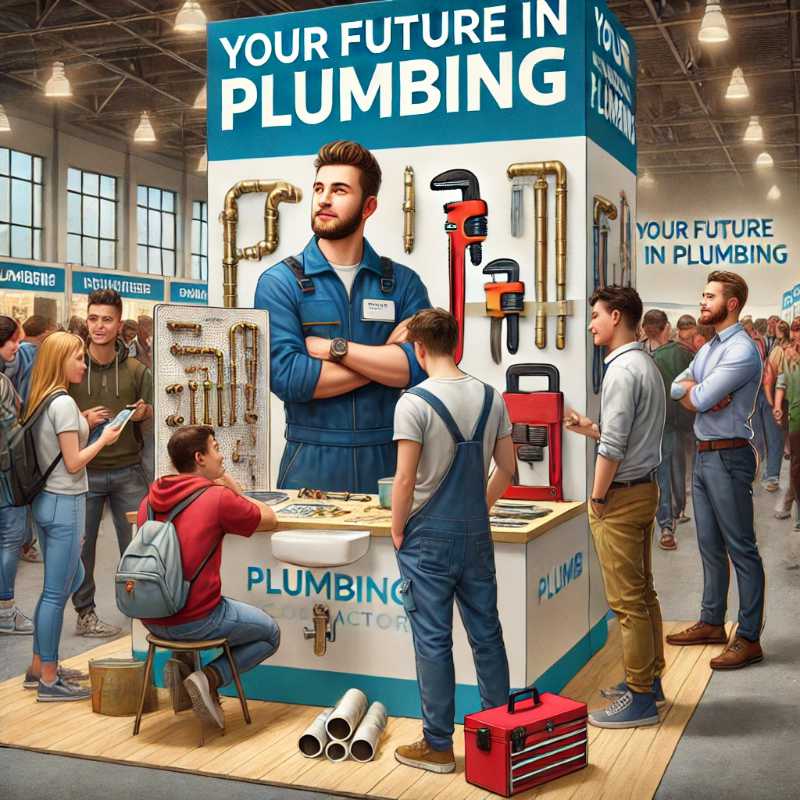
Did you know that nearly half of today’s tradespeople are set to retire within the next decade? This impending wave of retirements is creating an urgent need for skilled professionals to enter industries like plumbing. The plumbing workforce is pivotal—how contractors attract, train, and retain new talent today will define the industry’s success for years.
For decades, society placed a premium on four-year college degrees, promoting them as the primary path to success. Young people were encouraged to pursue higher education, often overlooking the many rewarding opportunities in skilled trades like plumbing. This narrative painted trade careers as a fallback rather than a first choice despite tradespeople’s critical role in building and maintaining infrastructure.
However, this mindset is shifting dramatically. Rising college tuition costs and the heavy burden of student debt have led many to rethink the traditional degree pathway. Simultaneously, the surging demand for skilled workers in industries like plumbing has highlighted the stability, lucrative earnings, and career advancement these roles offer.
More and more people now recognize vocational training programs as an innovative, affordable pathway to career success. They offer a viable alternative to the debt-heavy route of four-year college degrees. Unlike many college graduates who face years of loan repayments, plumbing apprentices can start earning immediately while gaining valuable, hands-on experience. For example, a young plumbing apprentice builds practical skills and earns a steady income—often without incurring debt. These programs provide structured pathways to licensing and higher wages, ensuring long-term career stability and growth.
This shift drives a cultural reevaluation of trade careers, positioning them as innovative and forward-thinking alternatives to conventional education. Contractors can capitalize on this momentum by developing recruitment strategies highlighting these advantages and offering benefits tailored to modern expectations.
🌟 Dive into our latest podcast episode where we uncover:
🎙️ Tune in below or on your favorite podcast platform!
🎙️ Watch on YouTube 📻
Today’s plumbers are much more than repair specialists—they are tech-savvy professionals who leverage advanced tools and systems to solve modern challenges. Cutting-edge innovations such as intelligent water systems, eco-friendly plumbing solutions, and digital tools have transformed the trade. These advancements resonate strongly with Millennials and Gen Z, who are drawn to technology-driven careers that align with their values and interests.
The demand for skilled plumbers is soaring, fueled by a booming housing market, aging infrastructure, and ambitious new construction projects. These factors have elevated plumbing to a critical role in modern development, ensuring job security and opportunities for financial stability and career growth.
As the stigma surrounding trade careers fades, more young people are recognizing what plumbing really is. It’s not just a job—it’s a profession with purpose, growth potential, and real impact. Plumbers help homeowners reduce their water usage and contribute to sustainable building projects. Either way, they play a vital role in shaping a greener, more efficient future.
Vocational training programs provide an accessible and efficient route to success, bypassing the high costs of traditional college degrees. Plumbing apprenticeships, in particular, allow individuals to earn income immediately while learning on the job. These programs combine practical application with formal education, enabling young professionals to develop essential skills and financial stability from the outset. For instance, many apprenticeship programs guide participants toward licensing and higher wages without the financial strain of student loans.
The need for skilled plumbers has never been greater. A surge in housing development, the repair of aging infrastructure, and large-scale construction projects have created an unprecedented demand for qualified tradespeople nationwide. According to recent labor market reports, plumbing is one of the most in-demand trades. Shortages are creating lucrative opportunities for job security and career growth. Recruiting new talent has become a critical priority for contractors to meet this growing demand and sustain industry momentum.
For instance, the Plumbing-Heating-Cooling Contractors (PHCC) Association has been instrumental in reshaping the perception of skilled trades through its workforce development initiatives. The PHCC Educational Foundation offers online plumbing and HVACR apprentice courses, providing a non-classroom-based method of instruction recognized by the U.S. Department of Labor.
PHCC Foundation In 2023, the Foundation awarded $139,000 in scholarships to 57 students pursuing careers in plumbing and HVACR. That shows its commitment to supporting the next generation of skilled professionals.
PHCC Foundation Additionally, PHCC hosted an Industry Summit, bringing together leaders to discuss workforce solutions and strategies to attract new talent. These initiatives pave the way for a stronger and more sustainable plumbing workforce.
Building solid relationships with local schools and communities is a powerful way to introduce young people to the plumbing trade. Here’s how contractors can take action:
Plumbing companies need to offer more than just a paycheck to attract ambitious young talent. Key strategies include:
Inspiring success stories can help reframe plumbing as a respected and rewarding career. Consider these approaches:
Collaborate with Local Media: Feature success stories in blogs, newsletters, or local news outlets to inspire and attract potential recruits.
Highlight Former Apprentices: Share stories of individuals who started as apprentices, advanced to leadership roles, or built their own businesses.
Showcase Real-Life Examples: Create case studies of successful plumbers who achieved financial independence and professional growth.
Leverage Social Media: Share these stories with a broader audience using platforms like Instagram, LinkedIn, and TikTok.
Traditionally seen as male-dominated, the plumbing industry is undergoing a remarkable transformation as more women enter the trade. Once a rarity, women are now embracing plumbing as a viable and rewarding career path. In doing so, they are breaking down long-held stereotypes and redefining what it means to succeed in the industry.
This shift is doing more than diversifying the workforce—it’s reshaping how people view the trade. Women bring unique skills and fresh perspectives to the table. They are proving that plumbing is not about brute strength but about problem-solving, precision, and customer service—qualities that transcend gender. For example, women often excel in areas like communication and attention to detail. Those skills are invaluable when interacting with clients and tackling complex plumbing systems.
In addition, having more women in plumbing is inspiring the next generation. Young girls who might not have considered trades a career option now see role models. These women demonstrate that plumbing is a space where anyone can thrive. This visibility is critical for challenging outdated notions and encouraging greater inclusivity across the skilled trades.
The benefits of this trend extend beyond individual careers. Research shows that diverse teams are more innovative and effective as they bring a more comprehensive range of ideas and approaches to problem-solving. In plumbing, this can translate to better client service, more creative solutions to technical challenges, and a more collaborative workplace culture.
For the industry, the rise of women in plumbing signals a brighter, more inclusive future. It highlights the potential for growth, innovation, and equality in a trade that has traditionally been overlooked by half the population. Plumbing companies that foster environments welcoming and supporting women are not just filling workforce gaps. They are strengthening the trade for generations to come.
Try SendWork for Free and see why contractors across industries trust it to grow their businesses.
While the influx of younger talent is encouraging, the industry still faces a knowledge deficit as veteran plumbers retire. Bridging this gap requires strategic investments in training and mentorship. Workforce is one piece of the broader operator playbook for a profitable plumbing business. The rest covers pricing, documentation, and the numbers every owner should know.
Seasoned plumbers carry decades of hands-on experience and problem-solving skills beyond textbook knowledge. From diagnosing complex systems to finding innovative solutions in emergencies, these professionals represent a wealth of expertise that isn’t easily replaced. For example, an experienced plumber might instinctively recognize the signs of a subtle leak. They might also know how to navigate challenging retrofits in older homes. As these veterans retire, their departure creates a knowledge gap that apprentices and newer plumbers may struggle to fill without proper mentorship.
While the demand for skilled plumbers grows, not all companies can provide comprehensive training to prepare young workers for success. Robust apprenticeships require time, resources, and experienced trainers who can offer real-world learning opportunities. Without these, newer entrants may rely solely on theoretical knowledge, leaving them underprepared for the diverse challenges of the trade. For instance, troubleshooting a malfunctioning hot water system in a commercial building requires hands-on experience that classroom instruction alone cannot replicate.
Plumbing is often perceived as straightforward work, but the reality is far more complex and physically demanding. Many new entrants may not anticipate the technical expertise required to install modern systems. Nor do they always expect the stamina needed to work in tight crawl spaces or lift heavy equipment. This mismatch in expectations can lead to disillusionment and, ultimately, higher dropout rates among apprentices. Addressing this requires better pre-career education and realistic expectations. It also means ensuring that younger workers understand the challenges and the rewards of a plumbing career.
One of the most effective ways to bridge the skills gap is by pairing seasoned plumbers with apprentices in formal mentorship programs. These programs allow experienced professionals to pass down critical knowledge through hands-on training in real-world settings. That knowledge ranges from diagnosing complex issues to mastering industry best practices. For instance, mentors can teach apprentices to handle unexpected complications on-site or navigate challenging retrofits. Beyond technical skills, mentorship fosters confidence, work ethic, and a sense of belonging, significantly improving retention rates among new workers.
Technology is revolutionizing the plumbing industry’s training and day-to-day operations, offering innovative tools to prepare and empower the workforce.
For instance, virtual reality (VR) training allows apprentices to practice repairing plumbing systems in a risk-free simulated environment. This immersive technology can replicate complex scenarios, such as diagnosing faults in advanced water systems or navigating intricate pipe layouts in commercial buildings. VR is reshaping how skills are taught and retained by providing hands-on experience without the cost or safety risks of live systems.
Beyond training, tools like augmented reality (AR) apps are helping plumbers diagnose and resolve issues in real-time. For example, AR glasses can overlay detailed schematics onto a worksite, guiding technicians through step-by-step repairs.
Smart devices and digital platforms have also transformed everyday plumbing operations. Leak detection sensors, such as the Moen Smart Water Detector, alert plumbers and homeowners to potential water damage before it escalates. Similarly, smart thermostats and connected water heaters allow plumbers to monitor system performance remotely, offering proactive maintenance and improving client satisfaction.
On the business side, scheduling and management software like ServiceTitan streamlines operations. It automates tasks such as job scheduling, invoicing, and customer communication. These tools enhance efficiency and provide a seamless experience for plumbers and clients.
Interactive online platforms and mobile apps complement training by offering self-paced learning resources. These platforms include tutorial videos, skill quizzes, and certification trackers that ensure continuous professional development. By integrating these technologies, companies can attract tech-savvy Millennials and Gen Z workers who value innovation and efficiency in their careers.
To attract and retain top talent, providing clear and compelling career growth opportunities is essential. Career mapping outlines a worker’s potential journey within the company. That journey runs from entry-level apprentice to master plumber or leadership roles like project manager or business owner. For example, a company might illustrate how completing certifications or taking on supervisory responsibilities can lead to salary increases and promotions. The same goes for gaining specialized skills like green plumbing. This transparency helps young workers see plumbing as a long-term, rewarding career rather than just a job, boosting both motivation and loyalty.

The expectations of younger generations, particularly Millennials and Gen Z, have shifted dramatically from those of their predecessors. Unlike previous generations, who often prioritized job stability and financial security, today’s workers seek more holistic fulfillment in their careers. They value opportunities that provide a paycheck and a sense of purpose, flexibility, and alignment with their personal goals and values.
For younger professionals, work-life balance is non-negotiable. They are less willing to compromise personal time and well-being for career advancement. Instead, they prefer roles that allow flexibility, manageable workloads, and the ability to disconnect after hours. Plumbing companies offering innovative scheduling solutions—such as four-day workweeks or flexible shifts—can appeal to this growing demand. Fostering a supportive workplace culture that respects boundaries and encourages personal growth is critical to retaining young talent.
Younger generations want their work to make a difference for themselves and the world around them. Careers in plumbing that emphasize eco-friendly practices, like water conservation or green technology, align with these values. Some companies highlight their sustainability efforts, such as installing energy-efficient systems or using environmentally friendly materials. Those companies can attract workers motivated by a sense of purpose. This approach draws talent and positions the company as a leader in sustainable practices.
As digital natives, Millennials and Gen Z have grown up with technology at their fingertips. They expect workplaces to leverage modern tools that streamline processes and enhance efficiency. Plumbing could use digital platforms for scheduling and invoicing, employing intelligent leak detection systems, or even incorporating augmented reality (AR) for advanced diagnostics. Companies that embrace these innovations attract tech-savvy workers and gain a competitive edge in the marketplace.
By understanding and adapting to these evolving expectations, plumbing companies can create an environment where younger workers feel valued, motivated, and equipped to thrive.
Millennials and Gen Z workers are redefining workplace expectations, prioritizing continuous learning, flexibility, technological innovation, and purpose-driven work. Plumbing companies that align with these values are more likely to attract and retain top talent.
Younger workers thrive in environments that support skill development and career growth. Offering certifications in specialized areas, such as green plumbing or advanced technology, can make a plumbing company stand out.
By supporting employees in obtaining these certifications, companies demonstrate a commitment to professional growth and sustainability, resonating deeply with younger generations.
Modern workers value flexibility in their schedules. Plumbing companies that offer options such as four-day workweeks or remote diagnostics roles can meet these expectations while improving employee satisfaction. Flexibility also reduces burnout, making the workplace more appealing to young recruits.
Raised in a digital-first world, Millennials and Gen Z workers are drawn to companies that embrace innovative tools. Incorporating technologies like:
…makes day-to-day tasks more efficient and aligns with their tech-savvy nature. Highlighting these advancements can position your company as forward-thinking and attractive to younger talent.
For many young professionals, purpose matters as much as pay. Some companies prioritize sustainability by offering eco-friendly plumbing solutions like water-saving systems and sustainable materials. They can appeal to recruits who want to make a difference. Aligning with these values attracts environmentally conscious workers and helps your business stand out to eco-aware clients.

A diverse workforce is not just a moral imperative—it’s a business advantage. By broadening hiring practices, contractors can unlock untapped potential and better serve their communities.
With nearly half of today’s tradespeople set to retire in the next decade, the plumbing industry is at a critical crossroads. This transition presents an unprecedented opportunity to redefine its future by embracing workforce trends prioritizing diversity, sustainability, and innovation. Contractors can foster inclusivity, invest in mentorship, and adapt to the values of younger generations. That is how they can build a skilled, resilient, and future-ready workforce.
The plumbing trade is more than just a career—it’s a vital profession that shapes communities and contributes to a more sustainable world. Today’s choices to attract, train, and retain new talent will determine the industry’s success for decades. Let’s seize this moment to build a thriving, impactful, sustainable plumbing workforce together.