Go to SendWork
— Free for 7 Days
Full access
Full access

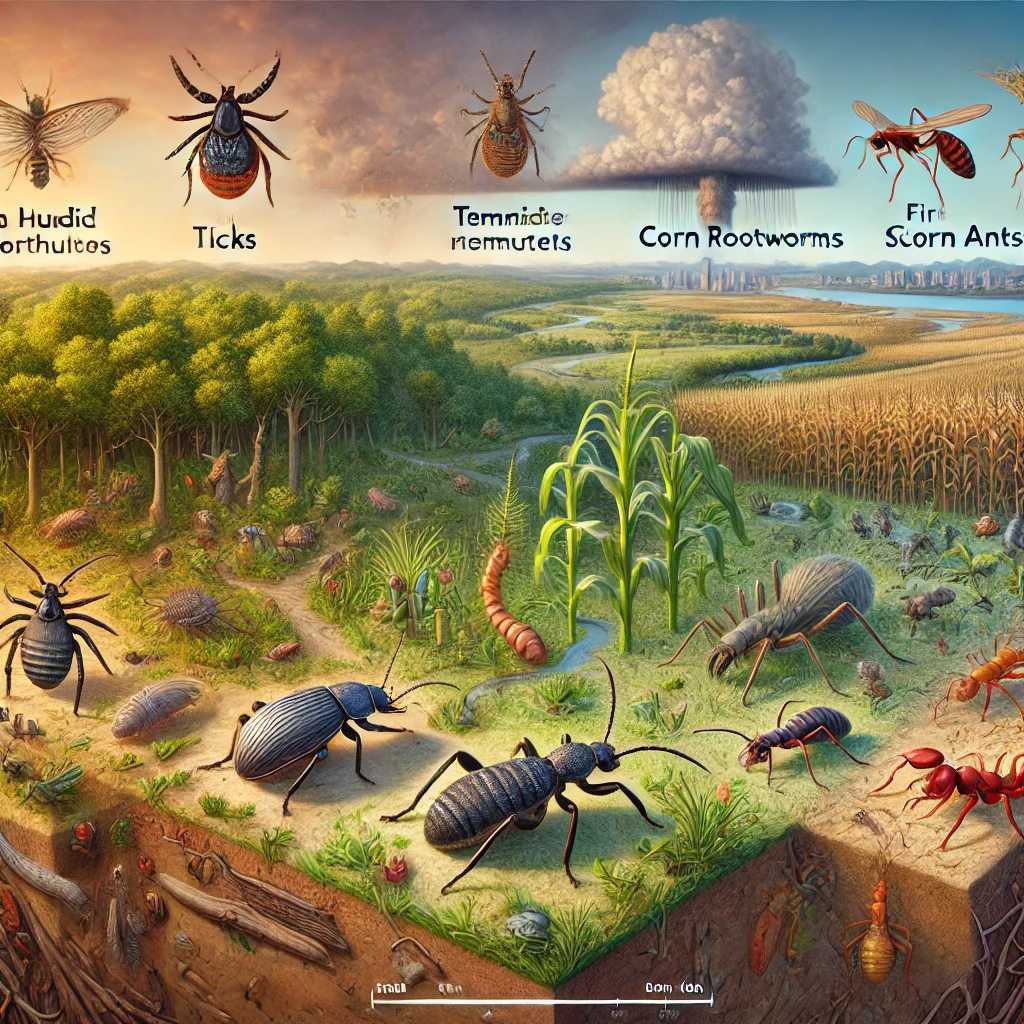
How rising pests due to the changing climate impact pest control. Learn regional trends and effective solutions to stay ahead.
The changing climate reshapes ecosystems, drives pests into new regions, disrupts seasonal patterns, and introduces unfamiliar species. Rising pests due to the changing environment create new challenges for pest control professionals, homeowners, and businesses. As pest populations grow and spread, innovative solutions and adaptive strategies are essential to avoid these threats.
This blog will explore how climate change influences pest behavior, highlight regional impacts across the United States, and uncover cutting-edge solutions for tackling this growing concern.
🌟 Dive into our latest podcast episode where we uncover:
🎙️ Tune in below or on your favorite podcast platform! 🎧
🎙️ Watch on YouTube 📻
As global temperatures rise and weather patterns become more unpredictable, pests thrive unprecedentedly. The changing climate alters ecosystems, enabling pests to expand their territories and extend their active seasons.
Why It’s Essential for Pest Control Businesses: Understanding how climate change drives pest behavior is crucial for adapting services and offering practical solutions. Staying informed ensures businesses can protect homes, agriculture, and infrastructure from evolving threats.
Climate change does not affect all regions equally. Different parts of the U.S. are experiencing unique challenges based on their climates and ecosystems. Here’s a breakdown of how rising pests disrupt pest control in various regions.
The Northeast’s warming winters and earlier springs have created ideal conditions for pests like ticks and mosquitoes.

Pest Control Focus: Professionals should offer year-round tick and mosquito management solutions and educate clients on prevention.
The Southeast’s hot, humid climate is becoming even more conducive to pest activity, exacerbated by rising temperatures and increased humidity.

Pest Control Focus: To tackle these persistent issues, companies should emphasize preventive measures, such as exclusion services and termite monitoring.
The Midwest’s agricultural heartland is increasingly affected by pests as changing weather patterns alter pest activity.

Pest Control Focus: Integrated pest management (IPM) strategies are essential to protect homes and agriculture.
The Southwest’s arid climate is becoming hotter, pushing drought-resistant pests into new areas.

Pest Control Focus: Exclusion services and solutions targeting water-seeking pests are vital in managing infestations.
The West Coast faces unique challenges, with droughts and warming trends driving pest activity.

Pest Control Focus: To address these growing concerns, mosquito mitigation and termite prevention programs are vital.
The changing climate has shifted pest ranges and extended their active seasons. Warmer winters mean pests like ants, rodents, and flies stay active year-round, leading to more severe infestations.
Actionable Solutions: Pest control businesses must offer comprehensive monitoring, prevention, and treatment plans to manage year-round infestations effectively.
Try SendWork for Free and see why contractors across industries trust it to grow their businesses.
The growing demand for eco-friendly pest control has driven innovations in sustainable methods that minimize environmental impact.
By adopting sustainable practices, pest control companies can appeal to environmentally conscious clients while maintaining effectiveness.
Rising pests due to the changing climate are reshaping the pest control industry, creating new challenges across the U.S. From regional impacts to emerging threats, adapting to these changes is critical. Pest control businesses can protect clients and thrive in a rapidly evolving landscape by embracing innovative solutions, sustainable practices, and regional expertise.
To enhance your understanding of how climate change influences pest migration and to explore effective pest management strategies, consider the following authoritative resources:
These resources provide valuable information to help you stay informed and effectively manage the challenges posed by rising pests due to the changing climate.