Go to SendWork
— Free for 7 Days
Full access
Full access


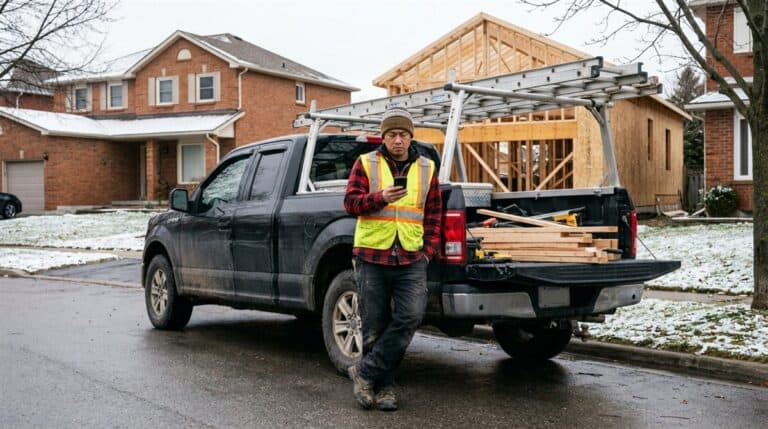
WSIB coverage has been mandatory in Ontario construction since 2013, even for a one-person operation. Here's the exemption that actually exists, the clearance certificate trap, and what a retroactive assessment looks like.

The Red Seal is an endorsement, not a licence, and the province decides who can legally work. Here's what it proves, which trades are compulsory in Ontario, BC and Alberta, and what an uncertified hire costs.

Incorporating only pays when the business earns more than you need to take out. Here's the 2026 CPP math, the small business rate, the liability myth and the monthly number that decides it.

The Job Bank wage is where contractor pricing starts, not where it ends. Here's the provincial data, the four multipliers between wage and invoice, and the billable-hour count that decides everything.
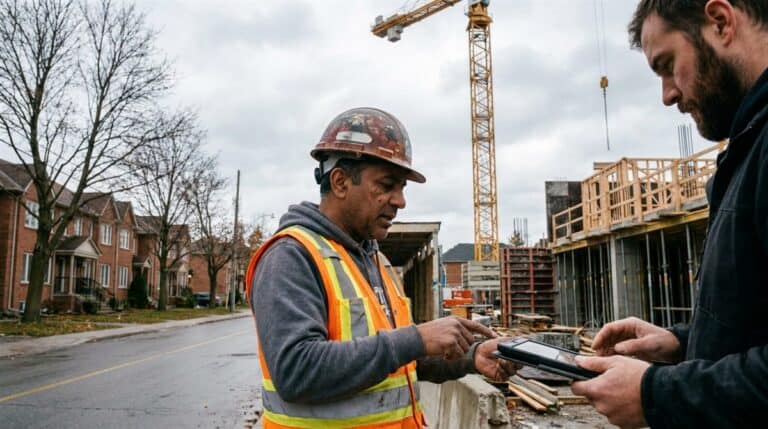
Ontario's Construction Act holdback is now released every year, not at project end. Here's the 2026 annual release, the proper-invoice rule and the 60-day lien window that ends your claim.
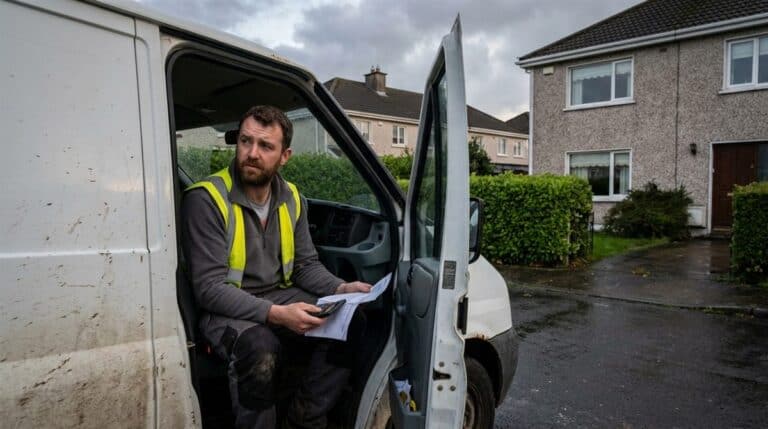
Year one is generous: preliminary tax on a nil prior year is nil. Here's why the second October then costs twice, and the set-aside habit that stops it hurting.
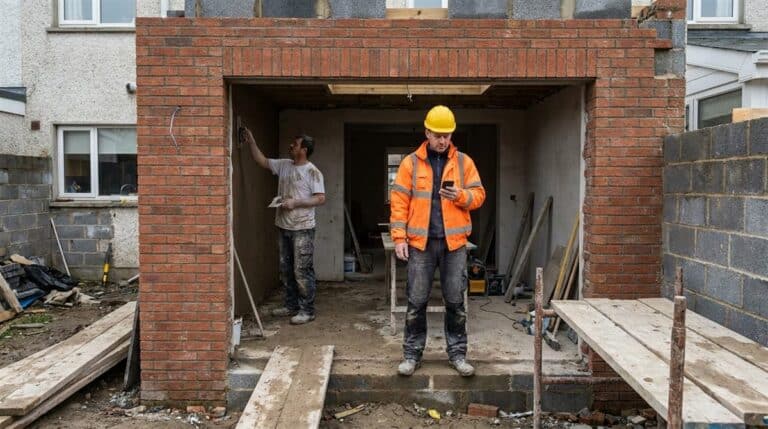
A €10,000 job can land as €6,500, and a builder can owe €3,500 on a payment he made in full. Here's how the three RCT rates are set, and the ROS step that decides both.

The October rise is €68 a year on a €45,000 wage. The real story is the cost stack around it, and the helper paid every Friday who is already an employee. Here's the full first-hire arithmetic.

Ireland has no compulsory employers' liability law and no compulsory public liability. Here's the short statutory list, the long list the site demands instead, and the helper who falls between them.

The 12.5% rate only reaches profit you never take out. Here's the myth-by-myth reality of incorporating as an Irish tradesperson, and the one surplus figure that decides it.