Go to SendWork
— Free for 7 Days
Full access
Full access

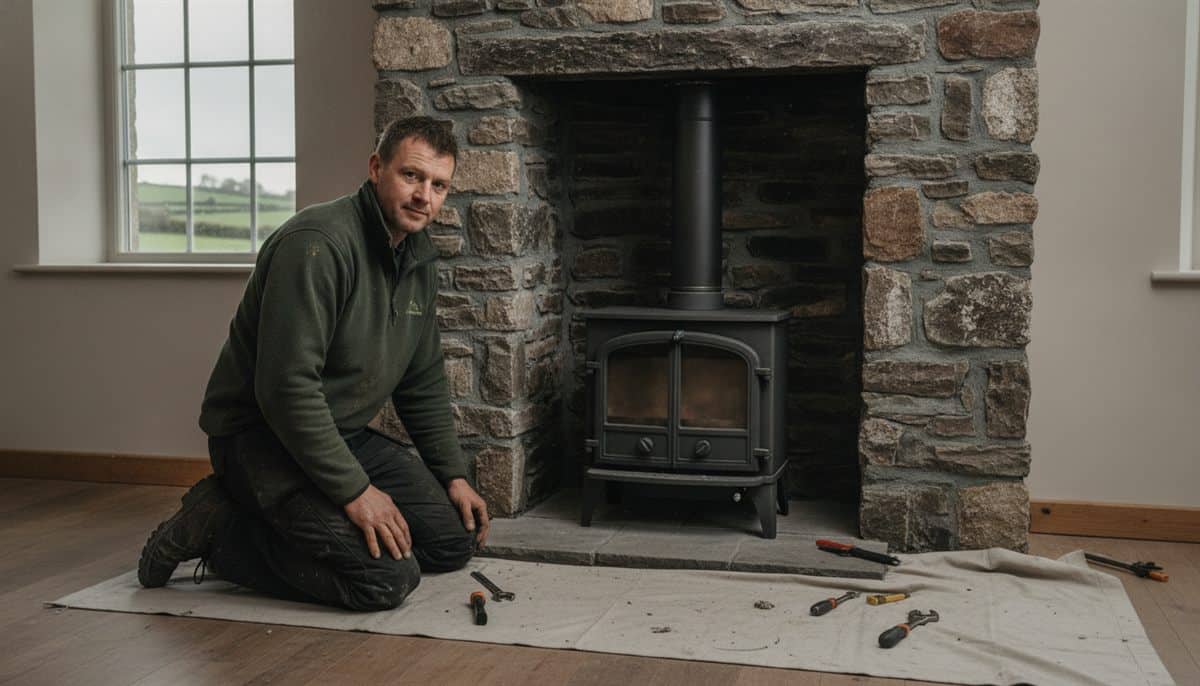
On a supply-and-fit job for a homeowner, the VAT is 13.5% unless the materials cost you more than two-thirds of your price, when the whole job goes to 23%. Fixtures against fittings, two worked quotes, heat pumps at 9%, solar at 0% and the cases the rule skips.
Is it 13.5% or 23%? On a supply-and-fit job for a homeowner, most work on a house is at 13.5%. But if the materials cost you more than two-thirds of the price you charge, before VAT, the whole job goes to 23%. That’s the two-thirds rule. Before you even get to it, check whether the item you’re fitting is a fixture or a fitting. Fittings are 23% however you supply them.
The rule is part of the law, in section 41 of the Value-Added Tax Consolidation Act 2010, and Revenue administers it. It isn’t optional. Revenue sets it out on its two-thirds rule page, and the 13.5% and 23% rates didn’t change in Budget 2027, as our Budget 2027 guide covers.
Revenue’s guidance on fixtures and fittings draws the line by what happens when you take something out. A fixture is so closely built into the house that it can’t be removed without substantial damage to it or to the building. A fitting can be removed without that damage, even if it’s attached.
The two lists in Revenue’s guidance settle most items:
Revenue says the lists are a guide, and an item only counts as a fixture if it meets the definition. Solid-fuel stoves aren’t named on either list. For one of those, apply the removal test, and ask Revenue if the answer isn’t clear.
A fitted kitchen shows why the first test matters. The units and worktops are fixtures, but the oven, hob and dishwasher are fittings at 23%. Revenue’s notes for guidance allow separate invoices for goods and services at different rates, if the amounts reflect the real values. So price the appliances as their own line.
For fixtures and other work on the house, you compare two figures, both before VAT. One is what the materials cost you. The other is the total price you charge for the job. Revenue’s notes for guidance describe it as “the VAT-exclusive cost of the goods to the supplier”. So it’s your cost price that counts, not the price you put on the materials in the quote.
If the materials cost you more than two-thirds of the price, the materials’ rate applies to the whole job, which usually means 23%. If they cost two-thirds or less, the service rate of 13.5% applies to everything. Exactly two-thirds stays at 13.5%, because the materials have to exceed it.
Here are two illustrative jobs for a homeowner, each priced before VAT.
| Bathroom refit | Boiler replacement | |
|---|---|---|
| Price to the customer, before VAT | €6,000 | €3,000 |
| Two-thirds of the price | €4,000 | €2,000 |
| What the materials cost you | €2,400 | €2,100 |
| Over two-thirds? | No | Yes |
| Rate for the whole job | 13.5% | 23% |
| VAT | €810 | €690 |
| Customer pays | €6,810 | €3,690 |
The bathroom is labour-heavy, so it stays at 13.5%. The boiler swap is mostly the boiler, and that tips it over. At 13.5%, the same boiler job would carry €405 of VAT. Quote 13.5% where 23% was due, and that €285 gap becomes VAT you’ve underpaid.

Two kinds of installation don’t follow the 13.5% or 23% pattern. Since 1 January 2025, a heat pump heating system supplied and installed by the same business is at the second reduced rate of 9%, according to Revenue’s heat pump guidance. That can include the controls, radiators, underfloor heating and pipework the system needs. Supply only is 23%, and installation alone under a separate contract is 13.5%.
Solar panels on a private home have been at 0% since 1 May 2023. The same business has to supply and install them under one contract. Batteries, wiring and controllers fitted as part of that contract are 0% too. Panels sold without installation are 23%.
Revenue lists three cases where the two-thirds rule doesn’t apply. Two matter for the trades. The first is work you do as a subcontractor for a principal contractor under Relevant Contracts Tax. There, the principal accounts for the VAT under the reverse charge, as our guide to Relevant Contracts Tax explains. The second is construction work between connected parties. The third, motor and farm machinery repair, is outside construction. On a job for a private homeowner, the rule applies as normal.
If you’re not registered for VAT, you don’t charge it. Revenue’s registration threshold for services, which covers construction work, is €42,500 of turnover. Our comparison of sole trader and limited company set-ups covers the wider admin.
If you are registered, you don’t legally have to give a homeowner a full VAT invoice. Revenue only requires one when you supply another VAT-registered business, a public body and some other customers. Even so, it pays to show each rate and its VAT separately on a homeowner’s quote and invoice. It also shows the customer why part of the job carries 23%.
So work it out before you send the price. Sort fixtures from fittings and give the fittings their own 23% line. On the rest, add up what the materials cost you. If that’s more than two-thirds of your price before VAT, quote 23% on the whole job. If it isn’t, quote 13.5%.
THE RATE BEFORE THE PRICE
Send the homeowner a quote with the VAT already settled.
Once you know the rate, the quote should go out while the customer is still keen. SendWork builds and sends quotes from your phone, so the price reaches them the same day.