Go to SendWork
— Free for 7 Days
Full access
Full access

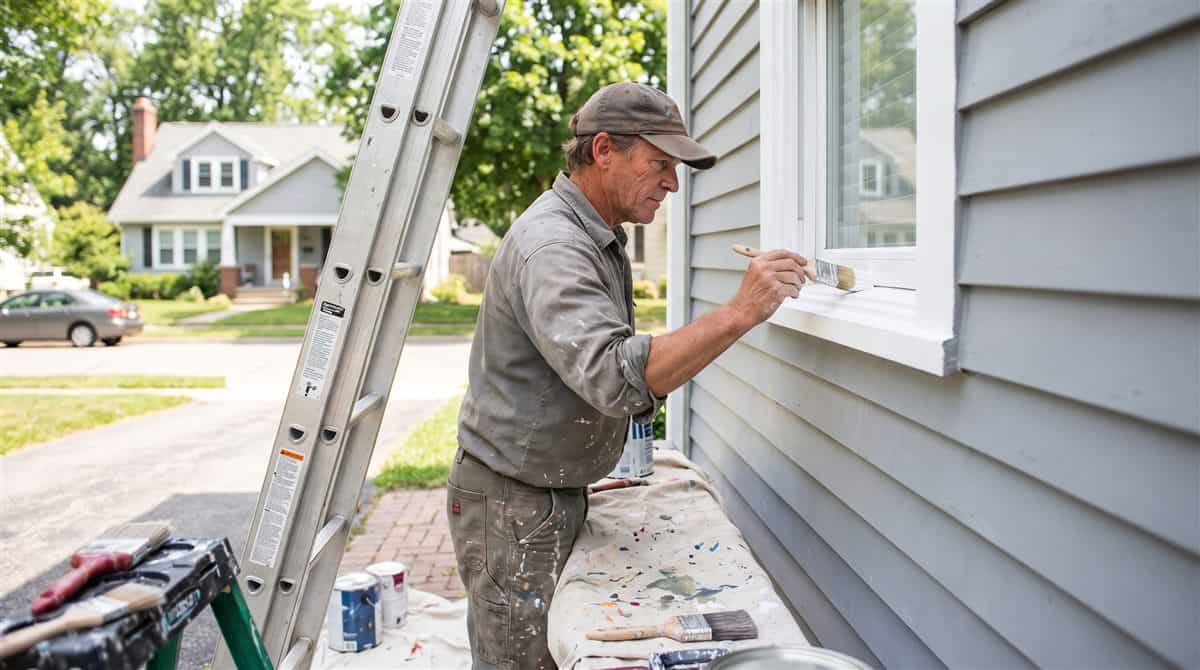
Real 2026 US painter rates — interior and exterior cost per square foot — plus how to quote a job that still pays after prep and materials.
Two painters look at the same 2,400-square-foot house and come back with quotes $3,000 apart. Neither is exactly wrong — but only one of them priced from a number instead of a feeling. Painting is one of the easiest trades to enter and one of the hardest to price well, which is why setting your painter rates USA on a clear per-square-foot basis is the difference between a booked calendar and a busy year that somehow never turns a profit.
Here is what painters actually charge across the United States in 2026, and how to quote a job that still pays after the prep, the primer, and the second coat. The figures are ranges, because paint pricing moves with surface condition, height, region, and finish level. The goal is not to match the cheapest bid in town; instead, it is to price the real work in front of you and defend that number with confidence.
Exterior work is most cleanly priced by the square foot. Industry data from CertaPro puts 2025 exterior painting at $4.25 to $7.95 per square foot, with a national average project landing near $4,839 including labor, primer, and paint. Interior work, by contrast, is usually quoted per room or per square foot of floor area — commonly $300 to $1,000 a room, or roughly $2 to $6 per square foot depending on ceilings, trim, and how much patching the walls need. Prep is not a line to skip, because washing, scraping, and caulking is where a durable job is actually won or lost.
For a wage anchor, the U.S. Bureau of Labor Statistics lists median pay for construction and maintenance painters at $48,660 a year, about $23.40 an hour, as of May 2024. That figure is the painter’s wage, not your shop’s billing rate. Your quote has to carry materials, overhead, insurance, and profit on top of the labor — which is precisely why per-square-foot pricing beats a vague day rate.
| Painting work (2026) | Typical US price |
|---|---|
| Interior, per room | $300–$1,000 |
| Interior, per sq ft (floor area) | $2–$6 |
| Exterior, per sq ft | $4.25–$7.95 |
| Average exterior project | ~$4,839 |
| Whole-home interior repaint | $2,000–$6,000 |
| Prep (wash, scrape, caulk) | Built into pro quotes |
Painting attracts price shoppers, and it is tempting to drop your number to land a hesitant customer. That reflex is a trap. When you win a job purely because you were cheapest, you tend to inherit the customer who fights every change order and calls you back over a hairline crack in someone else’s drywall. The painters who build durable businesses compete on preparation, cleanliness, and reliability — not on being the low bid. On that note, it is worth reading why the lowest price rarely wins the job before your next estimate.
Professionalism is the quiet multiplier here. The painter who sends a clean, itemized quote within a day, shows up when promised, and protects the customer’s floors will win at a higher price than the one who scribbles a number on the back of a card. For example, spelling out the prep scope explicitly in the quote does two jobs at once: it justifies your price, and it separates you from the low bidder who is quietly planning to skip it.
Measure, do not guess. For exterior work, calculate paintable square footage and apply a per-foot rate that reflects surface condition and height, because a two-story home with heavy scraping is not the same job as a clean single-story repaint. For interior work, decide whether you price by room or by square foot, then hold that method consistently so your quotes stay comparable across jobs. Either way, build materials and a defined prep scope into the number rather than treating them as surprises the customer discovers later.
Finally, remember that rates vary by region and season. Exterior demand spikes in warm months, and your pricing can move with it. Therefore, localize the national ranges above to your own market, revisit them each year as material costs shift, and compare notes against other USA pricing benchmarks as the library grows.
Two houses of identical square footage can carry very different price tags, and the drivers are predictable once you know to look for them. Surface condition is the biggest one: peeling paint, rotted trim, and failed caulk all add prep hours that must be priced, and skipping them is how a cheap job becomes a callback. Height and access matter too — a two-story exterior on a steep grade needs staging and safety time that a single-story ranch does not. Finish level, the number of colors, and trim detail push interior numbers around as well.
Region and season then layer on top. Warm-climate markets paint year-round, while northern painters compress exterior work into a few months and can price the peak accordingly. The takeaway is to quote from what you actually see on the walk-through, not a flat per-foot number applied blind. When you itemize prep and access in the estimate, the higher price reads as thoroughness rather than padding — and it protects you from eating the surprises later.
Your painter rates USA should come from measured square footage and a defined prep scope, never from a glance at the house and a gut number. This quarter, lock in one pricing method for interior and one for exterior, write your prep scope into every quote, and stop discounting to beat the cheapest bid in town. The painter who prices the real work — and looks organized doing it — is the one who gets recommended, and referrals are cheaper than any advertising you will ever buy.
The painter who sends a clean quote within the hour wins the job. Every time.
SendWork’s AI office manager turns a site visit into a polished estimate on the spot, then handles the reminders and follow-ups that make your operation look as sharp as your work.
Measure the work, write the prep into the quote, and let the number reflect the job you actually do — not the one the low bidder pretends to.