Go to SendWork
— Free for 14 Days
Full access
Full access

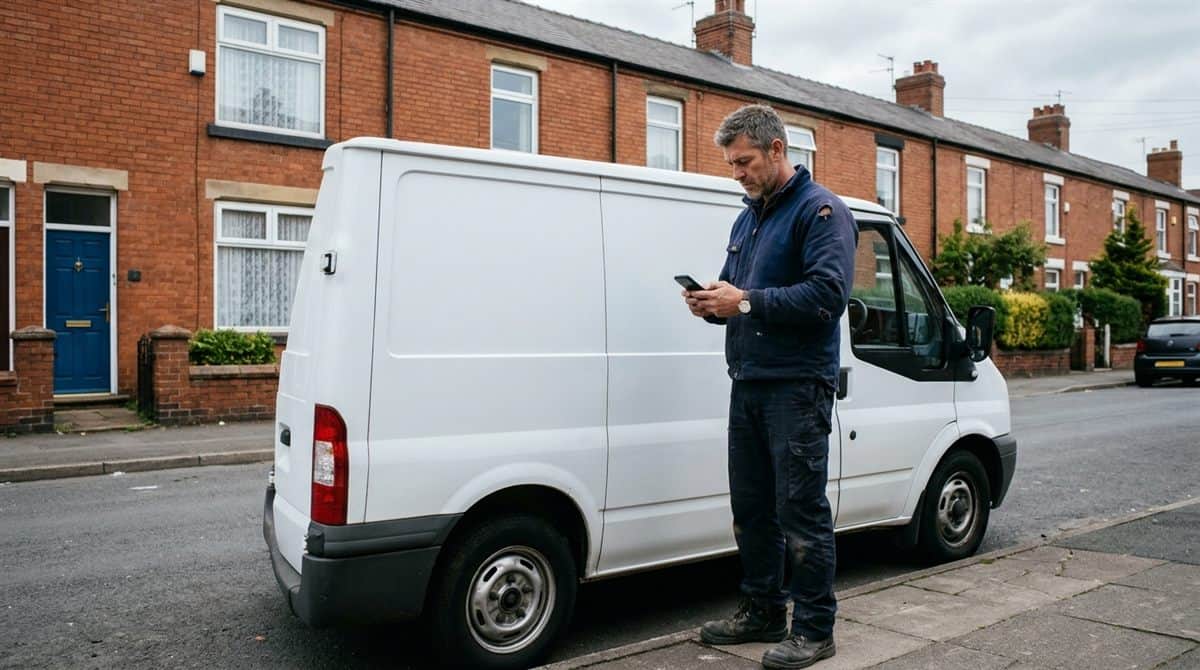
Claim a £24,000 van at the flat mileage rate, and its 14,000 business miles this tax year come to £6,500 of expenses. Claim what the van actually cost instead, its £24,000 price included, and the same year comes to £28,650. Whichever way you claim on the van's first tax return, you have to stay with it for as long as you use that van for work.
Claim a £24,000 van at the flat mileage rate, and its 14,000 business miles this tax year come to £6,500 of expenses. Claim what the van actually cost instead, its £24,000 price included, and the same year comes to £28,650. Whichever way you claim on the van’s first tax return, you have to stay with it for as long as you use that van for work.
Neither figure is a mistake. The flat mileage rate for a van, 55p a mile for the first 10,000 business miles in 2026-27 and 25p a mile after that, is meant to cover everything the van costs you, from the diesel and the insurance to the price you paid for it. Claiming actual costs lets you take the whole purchase price off your profits in the year you buy, which is why its first year looks so big, and then only the running costs after that. On the figures below, a newer, dearer van that you keep for a few years does better on actual costs, while a cheap van doing big mileage does better on the flat rate, and the rise to 35p a mile above 10,000 miles from 6 April 2027 tips more high-mileage vans that way.
Say a plumber in Leicester buys a £24,000 van in April 2026, pays for it outright and uses it only for work. He isn’t registered for VAT, so every figure here includes VAT; a VAT-registered trader works from the figures without the VAT they reclaim. The van does 14,000 business miles a year. It burns about £2,550 of diesel a year, costs £1,500 a year to insure, tax and cover for breakdowns, and needs £600 of servicing in its first year and £1,000 of tyres, brakes and servicing in each year after that.
The flat rate is part of simplified expenses, HMRC’s name for a set of flat rates that the self-employed can use instead of adding up what certain costs really were. It’s open to sole traders and to partnerships that have no companies as partners. A limited company can’t use it, so if you trade through your own company, none of this applies to your van. It covers cars, motorbikes and goods vehicles, and a van counts as a goods vehicle, so a Transit or a Vivaro gets the same 55p and 25p as a car. Nobody has to use it and there’s nothing to apply for: you work out the figure from your business miles and put it in your expenses on your Self Assessment return. The rules are in Chapter 5A of Part 2 of the Income Tax (Trading and Other Income) Act 2005, with the rates in section 94F.
The 55p is new this tax year. Until 5 April 2026 the rate for the first 10,000 miles was 45p, and the Taxation (Energy and Vehicles) Act 2026, which became law on 15 July, raised it to 55p for 2026-27 and every year after. The Autumn Budget 2026 on 28 October confirmed that the 55p is staying, and announced that the rate above 10,000 miles will go from 25p to 35p from 6 April 2027. That second change still needs regulations from the Treasury, which HMRC’s overview of the Budget’s tax measures says will be laid later in the year, and none had been made by mid-November. So treat 35p as the announced rate until those regulations are made. Our round-up of the Autumn Budget 2026 lists it with the other April changes, and the same 35p is due to apply to the mileage allowance employers pay staff who drive their own cars for work, while a van you provide for staff to take home is taxed as van benefit instead.
Parking goes on top of the flat rate, as do other costs that belong to a particular journey rather than to the van, because the flat rate only replaces the costs of buying and running the vehicle.
The other route is to add up what the van really costs and claim that instead. For the running costs, that means the fuel, insurance, vehicle tax, servicing, repairs and breakdown cover that HMRC lists in its guide to van and travel expenses. Fines don’t count, and neither does any driving that isn’t for the business.
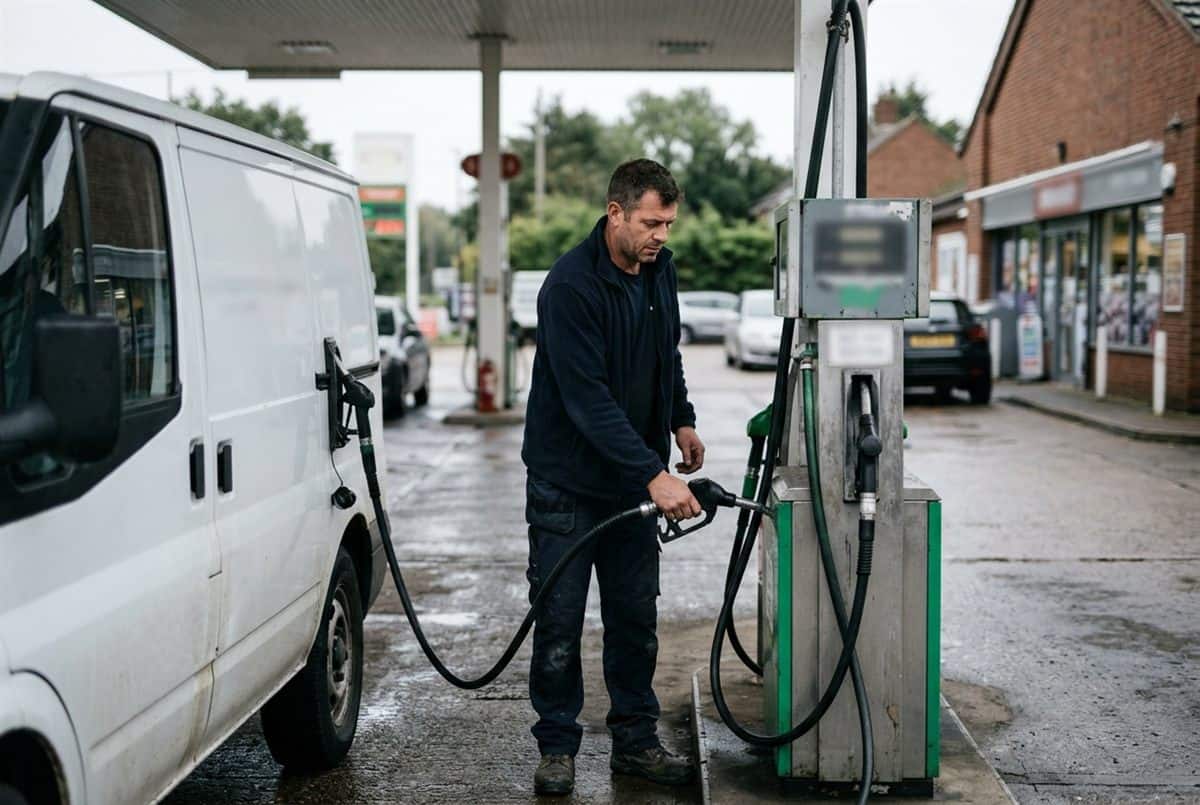
For the van itself, it depends on how you keep your books. Since 6 April 2024 the cash basis has been HMRC’s standard way for a sole trader to work out profit: you count money when it comes in and when it goes out, and unless you or your accountant opted out, it’s the method your return uses. On the cash basis, a van you buy for the business is an ordinary expense in the year you pay for it, because section 33A of the 2005 Act allows that for vans and equipment, though not for cars. If you use traditional accounting instead, the van goes through capital allowances, and the annual investment allowance lets you deduct the full cost of equipment and vehicles other than cars, up to £1 million a year, in the year you buy them. It comes from section 51A of the Capital Allowances Act 2001. Either way, the plumber’s £24,000 can come off his 2026-27 profits in one go.
If the van also does private miles, such as the school run or a weekend trip to the tip, you claim only the business share of every actual cost, the purchase price included, and that share comes from your mileage log: 14,000 business miles out of 16,000 in total would mean seven-eighths. The flat rate needs no such cut, because it only ever counts the business miles.
The catch with taking the price up front comes when you sell. Whatever you get for the van, whether it’s a sale or a part-exchange, goes back into your profits for that year. That applies whether you deducted the price on the cash basis, under section 96A of the 2005 Act, or through capital allowances, which HMRC’s guidance on selling something you’ve claimed for sets out. So part of that big first-year deduction comes back as tax later.
| Tax year | Flat mileage rate | Actual costs |
|---|---|---|
| 2026-27 | 10,000 miles at 55p and 4,000 at 25p: £6,500 | £24,000 for the van and £4,650 of running costs: £28,650 |
| 2027-28 | 10,000 miles at 55p and 4,000 at 35p: £6,900 | £5,050 of running costs |
| Both years | £13,400 | £33,700 |
On these figures, actual costs give the plumber £20,300 more in expenses over the two years. If all of it comes off profit taxed at the basic rate, each pound of expenses saves 26p, which is 20p of income tax and 6p of Class 4 National Insurance, the contribution the self-employed pay on profits, so the gap is worth about £5,278. Those are the rates in England, Wales and Northern Ireland; Scotland sets its own income tax.
That isn’t the whole story, because one day he’ll sell the van. Say he keeps it four years and part-exchanges it for £9,000 early in 2030, and the rates stay at 55p and 35p after April 2027. The flat rate gives him £27,200 over the four years, which is £6,500 in the first and £6,900 in each of the next three. Actual costs give him the £24,000 van, less the £9,000 that comes back into his profits when he part-exchanges it, plus £19,800 of running costs, which makes £34,800. He’s still £7,600 ahead on actual costs, and he got most of it in the first year, the year the new van came out of his bank account.
A deduction that size in one year also moves your January tax bills around. It shrinks the 2026-27 profit, so the bill due on 31 January 2028 is smaller, and so are the payments on account HMRC asks for towards 2027-28. When profit goes back to normal the following year, the balancing payment in January 2029 is bigger to make up for it.
This is what makes it a decision rather than a sum you can redo every January. Once you claim the flat rate for a van, you have to keep using it for that van for as long as you use it in the business. That’s in section 94D of the 2005 Act, and HMRC’s guide to the vehicle rates says the same. It works the other way round too: under section 94E, a van you’ve claimed capital allowances on, or whose price you’ve deducted under the cash basis, can never go on the flat rate.
So the plumber’s choice on his 2026-27 return, due online by 31 January 2028, is the choice for that van until he gets rid of it. The rule goes van by van, though. The next van starts with a clean slate, and if you run two vans, you can claim one each way. If your van arrived between 6 April 2025 and 5 April 2026, the choice is being made now, on the 2025-26 return due by 31 January 2027, where the flat rate for that year is still 45p for the first 10,000 miles. Choose the flat rate there and that van moves up to 55p from this tax year. If an accountant does your return, ask which way they’ve claimed your van, because they’re making a choice you’ll live with for years.
The flat rate wins when the miles are high and the van cost little. Say a heating engineer runs a £7,000 van for 20,000 business miles a year, keeps it four years and sells it for £1,000, with running costs of £6,500 a year. Actual costs give him £6,000 for the van once the sale money comes back, plus £26,000 of running costs, so £32,000. The flat rate gives him £8,000 in 2026-27, from 10,000 miles at 55p and 10,000 at 25p, and then £9,000 in each of the next three years at 35p above 10,000 miles, so £35,000. At the old 25p the flat rate would have come to exactly £32,000, level with actual costs, so the 35p rate is what puts it £3,000 ahead.
Whichever route you take, the miles are your evidence. On the flat rate the claim is the business miles and nothing else, so you need a record of them, and the simplest one that stands up is a line for each journey with the date, the job you drove to and the miles. On actual costs you need every receipt, and if the van does any private driving you need the total miles as well, because the business share comes from them. Keep it all digitally with the rest of your records, and keep it for at least five years after the 31 January deadline for that year’s return, which for 2026-27 means until at least the end of January 2033.
If you’re in Making Tax Digital for Income Tax, the choice changes what you record as you go. It’s the system HMRC requires sole traders and landlords to use once their income, measured on turnover rather than profit, goes over a threshold: digital records kept in software that works with HMRC, and a summary of income and expenses sent every quarter. The threshold was £50,000 from 6 April 2026 and drops to £30,000 from 6 April 2027, under the Income Tax (Digital Requirements) Regulations 2021. HMRC’s guidance on creating digital records says that if you’re sure you’ll use simplified expenses, you don’t need digital records of the van’s actual costs, and you adjust for the flat rate before you finalise the year; if you’re not sure, record every cost.
For the plumber in Leicester, with a new £24,000 van he expects to keep for four years at 14,000 miles a year, actual costs come out £7,600 ahead and put most of that into the year he paid for the van. So he claims the van’s price and its running costs on his 2026-27 return and keeps every fuel receipt alongside his mileage log. The choice binds that one van, though, and in 2030, when the part-exchange money goes back into his profits and the next van arrives, he gets to make it again.
THE MILES BEHIND YOUR CLAIM
Every business mile you claim for your van starts with a job you drove to.
SendWork keeps each job’s date, address and notes on your phone, so when you sit down to go through your mileage log, the jobs you drove to each day are already there to check it against.