Go to SendWork
— Free for 14 Days
Full access
Full access

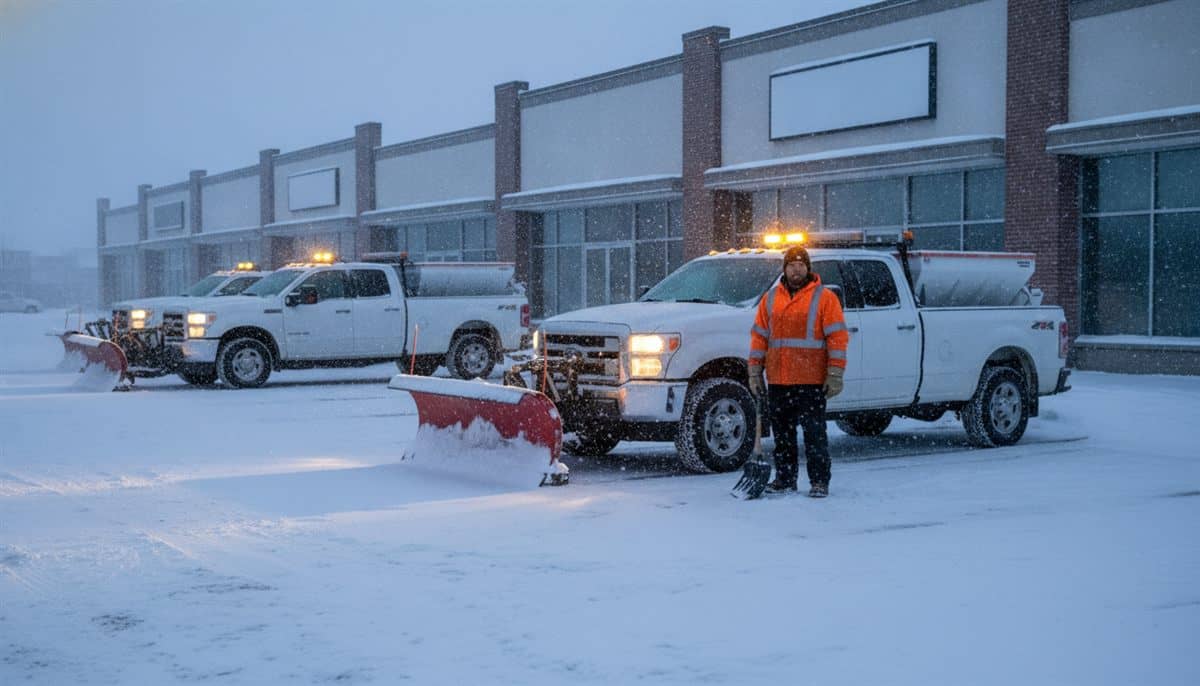
Since the Occupiers' Liability Amendment Act, 2020, no snow or ice injury claim in Ontario can proceed against a property or its snow contractor unless written notice is served within 60 days, and whoever receives it must pass it on. What that rule means for the winter contract you are about to sign, the visit log that decides the claim, and the sixty days after someone falls.
The call comes in April. A woman slipped in the plaza lot on a Tuesday in February, broke her wrist, and her lawyer has written to the property manager. The property manager has forwarded the letter to you, because you had the snow contract. Nobody on your crew remembers the Tuesday. The truck’s log for that week is a text thread.
This is an illustration, not a case. Every Ontario snow contractor who has been at it for more than a couple of winters has a version of it. Since early 2021 the outcome of that letter has turned on a second question: what the lawyer did in the sixty days after the fall. The rule is short, it sits in the Occupiers’ Liability Act, and the legislature wrote it with snow contractors in mind.
The Act puts a duty on whoever occupies a property. They must take reasonable care that people coming onto it are reasonably safe. A commercial plaza, a condominium corporation, a landlord with a parking lot: each one is an occupier. When one of them hires you to clear snow and ice, you take on the physical work of that duty. The contract usually adds a good deal more, in the form of an indemnity clause that makes their claim your claim.
That is why winter contracts became hard to insure. Slip-and-fall claims against snow operators rose. Indemnities pushed the cost onto the smallest party in the chain, and premiums followed. The legislature’s answer in 2020 was not to change the duty. It was to change the clock.
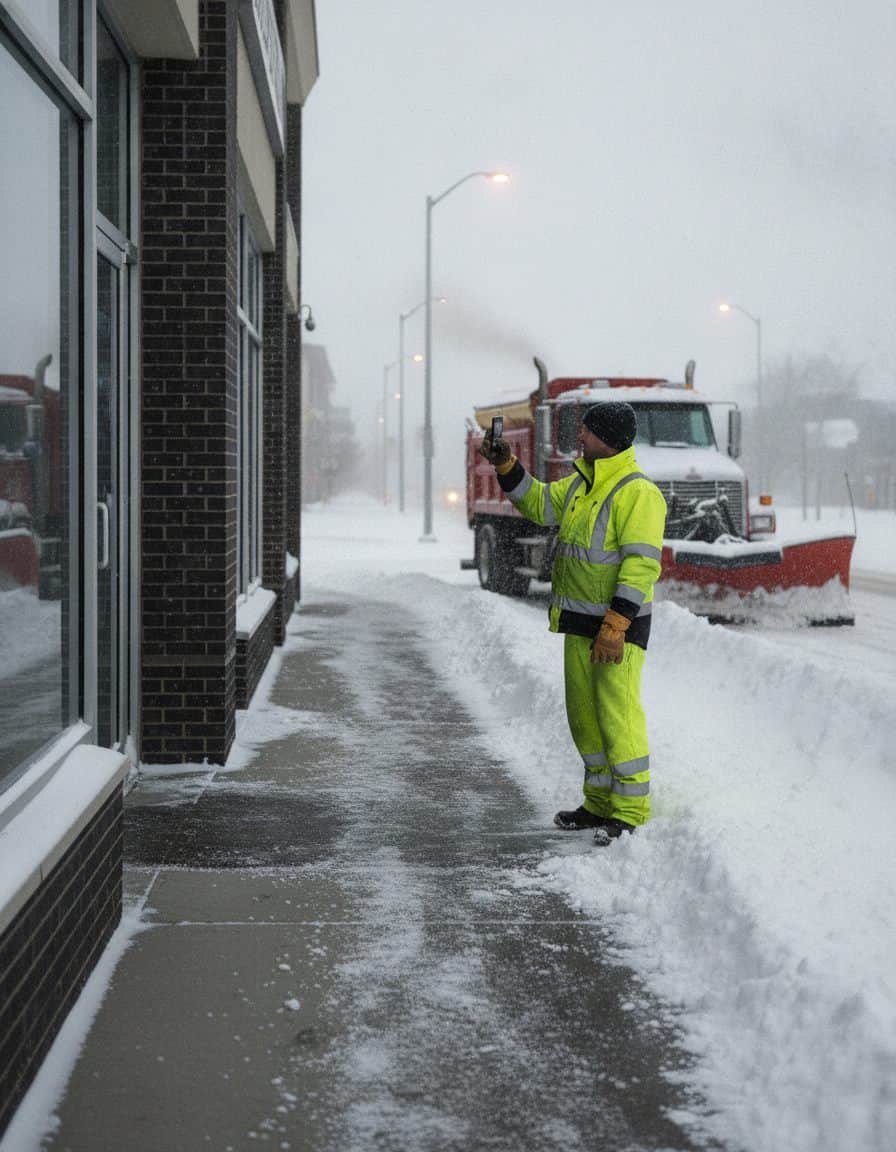
Bill 118, the Occupiers’ Liability Amendment Act, 2020, added section 6.1. Its first subsection bars any action for personal injury caused by snow or ice against an occupier, or against “an independent contractor employed by the occupier to remove snow or ice on the premises during the relevant period”. The bar lifts on one condition only. Within 60 days after the injury, written notice of the claim, including the date, time and location, must have been personally served on or sent by registered mail to at least one of them.
Three further subsections do the practical work.
There are two exceptions. The rule does not bar a claim where the injured person died. And a judge may let a late or defective notice through where there is a reasonable excuse and no prejudice to the defendant. Neither exception is something to plan around. Both are arguments a lawyer makes after the fact.
One thing the rule does not do is shorten the time to sue. The ordinary two-year limitation period under the Limitations Act, 2002 still runs. Section 6.1 adds a second, earlier gate. No written notice inside sixty days means, in most cases, no action at all.
The rule gives a well-run contractor something the old regime never did. Either the claim arrives while the evidence is still fresh, or it does not arrive at all. Write the contract so that both halves of that work in your favour.
| Clause | What it should say | Why it matters in a claim |
|---|---|---|
| Scope and trigger | Which areas, at what accumulation, within how many hours of the snowfall ending, and what happens between events | A claim is usually about the gap: the walkway nobody was responsible for, or the refreeze at 5 a.m. that no trigger covered |
| Salt and inspection | Who decides when to salt, who inspects between visits, and whether the occupier can request a visit | “You should have known” is the argument; a defined inspection duty is the answer |
| Notice forwarding | Each side sends the other any section 6.1 notice by registered mail within a stated number of days, with a named address for service | The statute imposes the duty but sets no timetable; the contract should |
| Indemnity and insurance | Each side’s insurance, the limits, and an indemnity that follows fault rather than covering the occupier for everything | A blanket indemnity makes their premium your claim; ask your broker what your policy actually responds to |
| Records | You keep a visit log with times, conditions and materials, and the occupier may inspect it | The log is the defence; a contract that names it makes the log part of the service, not an afterthought |
Municipal sidewalk-clearing bylaws differ from city to city and are outside the contract unless you write them in. And nothing here replaces the conversation with your broker. Commercial general liability policies treat snow and ice differently, and some exclude it. Read the policy before you sign the contract that depends on it.
When the April letter comes, there is one useful answer to “what did you do on that Tuesday”: a record made on that Tuesday. Each visit should record the time in and the time out, and the conditions on arrival. It should record what you cleared, what you applied and where, and photographs of the result with the time on them. Between events, the inspection visits belong in the same log. That includes the ones where nothing needed doing.
Keep it for at least two years after the season, because the limitation period runs that long. Keep it in one place. A claim will ask for the whole winter, not the one night. Winter utilization is already the number that decides whether the contract pays. A log that records hours on site is the same record read for a different purpose.
Day one is the day you learn of a fall, from anyone at all. Photograph the site as it is that day. Pull the visit record for the date in question, and write down who told you what. If the notice comes to you rather than the occupier, copy it to the occupier by registered mail the same week. Keep the receipt. If it comes to the occupier, confirm in writing that you have received their copy. Then tell your insurer, whatever the contract says about indemnity. Late notice to an insurer is a separate way to lose.
The crew’s records are worth the same attention as the site’s. Who was on the truck, and whether WSIB covered them, is the question WSIB asks after a different kind of accident. The same assignment record answers both.
If a written notice with the date, time and place reached you or the occupier within sixty days of the fall, treat the claim as live. Forward it by registered mail, and defend it from the log. If no such notice reached either of you inside sixty days, say so in writing, and let the Act do its work. The log decides the first case. The calendar decides the second. Nobody can rebuild either one in April.
ON THE LETTER THAT ARRIVES IN APRIL
The claim is decided by what your log says about a Tuesday in February.
A visit that was logged at the time, with who went, when they arrived and what they put down, is a defence. A visit remembered in April is a story. SendWork keeps each site’s visits, crew assignments and photos on the job record as the work happens, so the winter is on file before anyone asks for it.