Go to SendWork
— Free for 7 Days
Full access
Full access

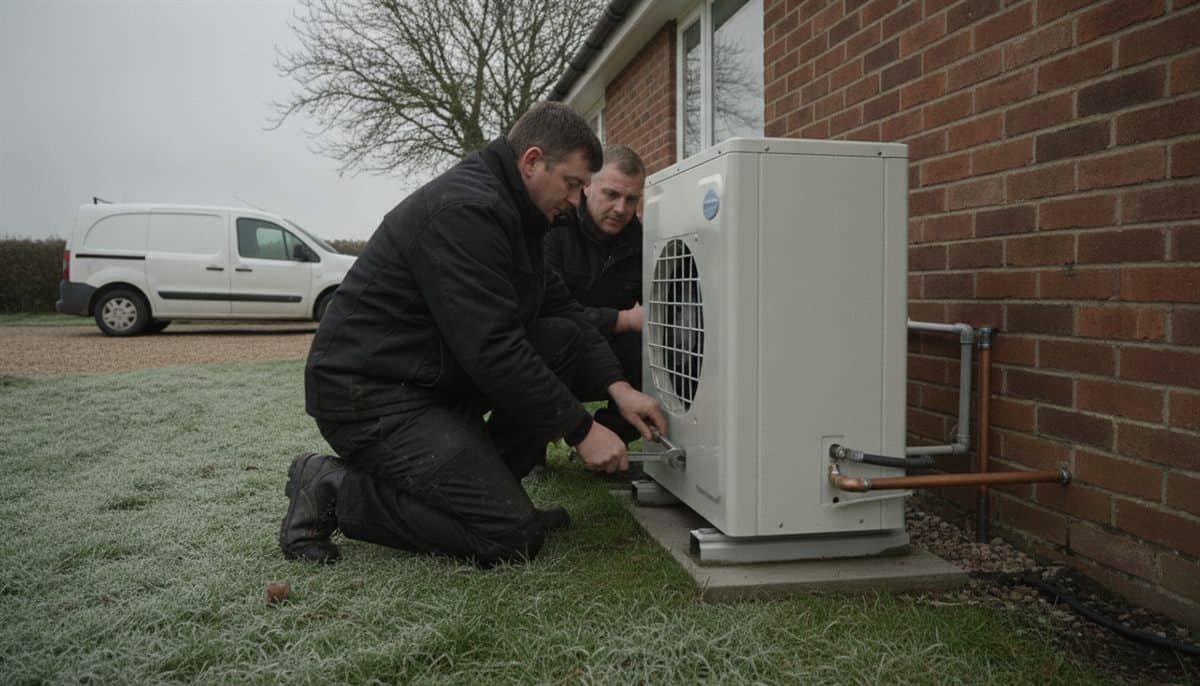
Installing heat pumps, solar panels, batteries and insulation in homes carries zero VAT until 31 March 2027, then 5%. How the tax point decides the rate on a job that slips into April, what the Boiler Upgrade Scheme leaves open, and the line to put on winter quotes.
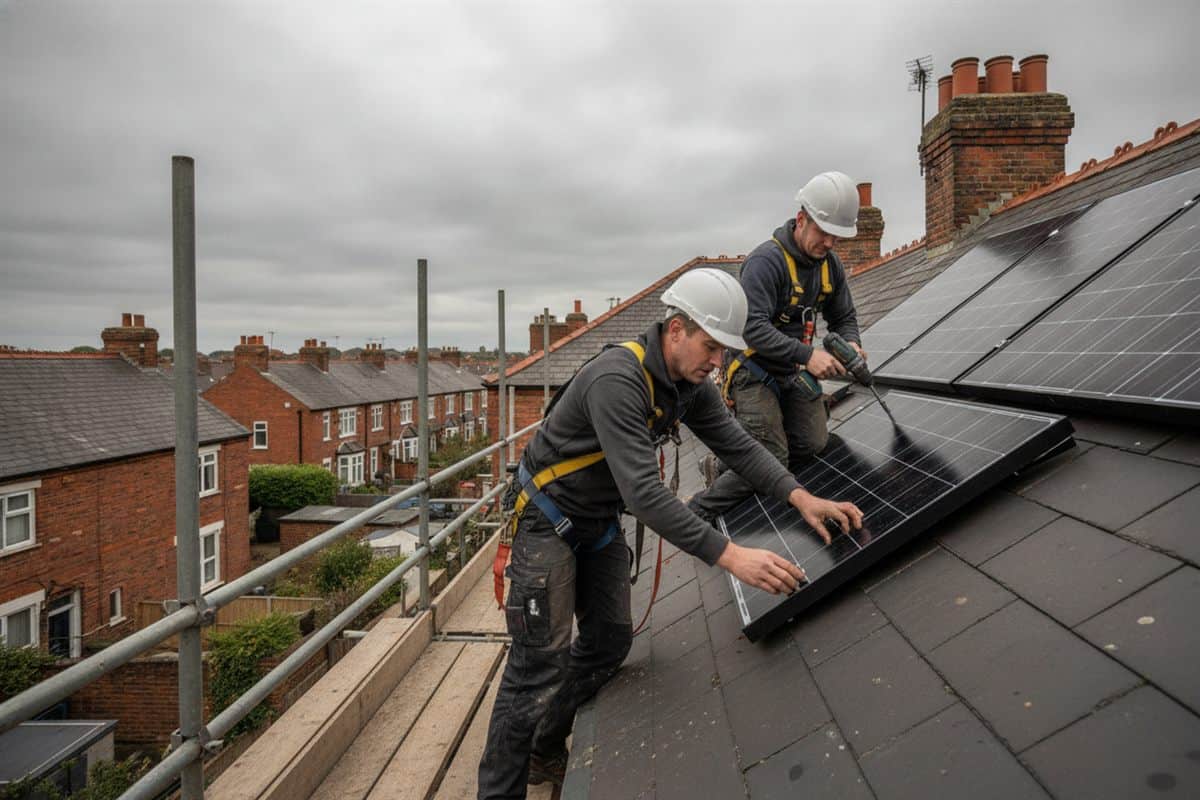
Zero VAT on energy-saving materials ends on 31 March 2027. That’s the rate for installing heat pumps, solar panels, batteries and insulation in people’s homes, and from 1 April 2027 the same work goes back to 5%. For a job you quote this winter, the rate depends on when you finish the work and when the customer pays, not on the date of the quote. So a spring install that slips into April can cost your customer 5% more than the price they thought they’d agreed.
The zero rate is a temporary rate in Group 23 of Schedule 8 to the Value Added Tax Act 1994. HMRC explains how it works in VAT Notice 708/6. It isn’t a scheme you apply for. If the work qualifies, the rate applies by law. It began on 1 April 2022 in Great Britain and on 1 May 2023 in Northern Ireland. On 1 April 2027 the 5% rate in Schedule 7A takes over. The Budget on 28 October 2026 confirmed that date, so there’s no extension.
Notice 708/6 lists the energy-saving materials that qualify when you install them in a home:
Groundworks to lay pipes for a ground or water source heat pump have also qualified since 1 February 2024. Heat batteries aren’t on the list yet. The Budget said new regulations will add them from 1 April 2027, so they get the 5% rate, never the zero rate. Beyond homes, the zero rate covers buildings used solely for a relevant charitable purpose, but not hotels, inns or hospitals.
The relief covers installation, not supply. If you sell a battery or a roll of insulation without fitting it, you charge the standard 20%. HMRC also lists what doesn’t qualify: energy-efficient boilers, double glazing, multi-fuel boilers and stand-alone wood-burning stoves are all standard-rated.
Mixed jobs need one more check. Where the energy-saving materials are only part of a bigger job, you decide whether it’s one supply or several. HMRC’s examples are useful here. A central heating system built around a heat pump counts as one supply at 0%, because the main element is zero-rated. An extension with insulation in the walls and roof counts as one supply at 20%, because the main element is the extension.
VAT is due at the rate in force at the tax point. For a service, the basic tax point is the day you finish the work. If the customer pays before that, the payment creates an earlier tax point for the amount you receive. HMRC’s VAT guide, Notice 700, says most deposits work this way.
There’s one trap with the zero rate. HMRC’s guide says an invoice for a zero-rated supply doesn’t create a tax point. So sending a 0% invoice in March for work you finish in April doesn’t fix the rate at 0%. Payment received before 1 April does, and so does completion.
Here’s an illustrative example. You quote £9,600 before VAT for solar panels and a battery on a semi-detached house. The customer pays a 25% deposit of £2,400 in February 2027. You book the install for the last week of March. The weather pushes it back, and you finish on 9 April. You invoice the balance of £7,200 on completion, and the customer pays it the same week.
| Payment | Tax point | Rate | VAT |
|---|---|---|---|
| Deposit, £2,400 | Received in February 2027 | 0% | £0 |
| Balance, £7,200 | Work finished and paid in April 2027 | 5% | £360 |
| Same job finished and paid by 31 March | Before 1 April 2027 | 0% | £0 |
The slipped date costs the customer £360. HMRC described the same split when the zero rate started in 2022. In its internal manual, a deposit paid before the change kept the old rate and the final payment took the new one. HMRC hasn’t published guidance on the 2027 change itself, so treat the table as the general rules applied, not a ruling.
Notice 700 adds an option when a rate goes up. You may charge the old rate on services performed before the change, if you can split the work by measurable progress or your normal pricing. If the panels were up and only the battery remained for April, that could reduce the £360. You’d need records of what you did when, and it’s worth agreeing the split with your accountant first. Stage-payment contracts work differently, because they have no completion tax point, so take advice on those too.
The Boiler Upgrade Scheme is a government grant towards a heat pump or biomass boiler in England and Wales, administered by Ofgem. Ofgem pays it to you as the installer, and you show it as a discount on the customer’s quote. Ofgem’s guidance for property owners says the quote must show the total before the grant, the grant itself and what the customer pays. Applying the full grant as an upfront discount is, in Ofgem’s words, “a legal requirement”. The grant is £7,500 for an air-to-water or ground source heat pump. The higher £9,000 grant for off-gas-grid homes replacing oil or LPG also ends on 31 March 2027.
Neither HMRC nor Ofgem says whether 5% VAT from April would apply to the whole price or only to the customer’s share. While the rate is 0%, it makes no difference. For a heat pump you might fit after 31 March, ask HMRC or your accountant before you quote the VAT.
If you aren’t registered, you charge no VAT either way. But zero-rated work still counts towards the £90,000 registration threshold, as our guide to the VAT threshold for tradespeople explains. HMRC also lets some businesses whose sales are mostly zero-rated apply not to register. If that’s you, talk to HMRC before April, because your installations will be at 5% from then.
Without a clear term, Notice 700 says the price on an existing contract changes by the amount of a VAT change, though it depends on the contract. A line on the quote saves the argument. Quote your price before VAT. Then say you’ll charge VAT at the rate in force when you do the work or the customer pays: 0% up to 31 March 2027 and 5% from 1 April. Show the customer both totals.
Then plan the diary around the date. Electricians fitting solar and batteries can price the extra time using our UK electrician rates guide. Heating engineers can do the same with our gas engineer rates guide. Don’t suggest a customer pays in full in March for an April install to keep 0% without taking advice first.
So the rule for this winter is simple. If you’ll finish the job, or the customer will pay for it, before 1 April 2027, quote it at 0%. If it might not be, quote it before VAT with the 5% line, and book the install early enough that bad weather in March doesn’t cost the customer.
BEFORE AND AFTER 1 APRIL
Show the customer what a later install date would cost them.
A customer who can see both totals can choose the install date with you. SendWork builds and sends quotes from your phone, so a revised figure goes out the day the date moves.