Go to SendWork
— Free for 7 Days
Full access
Full access

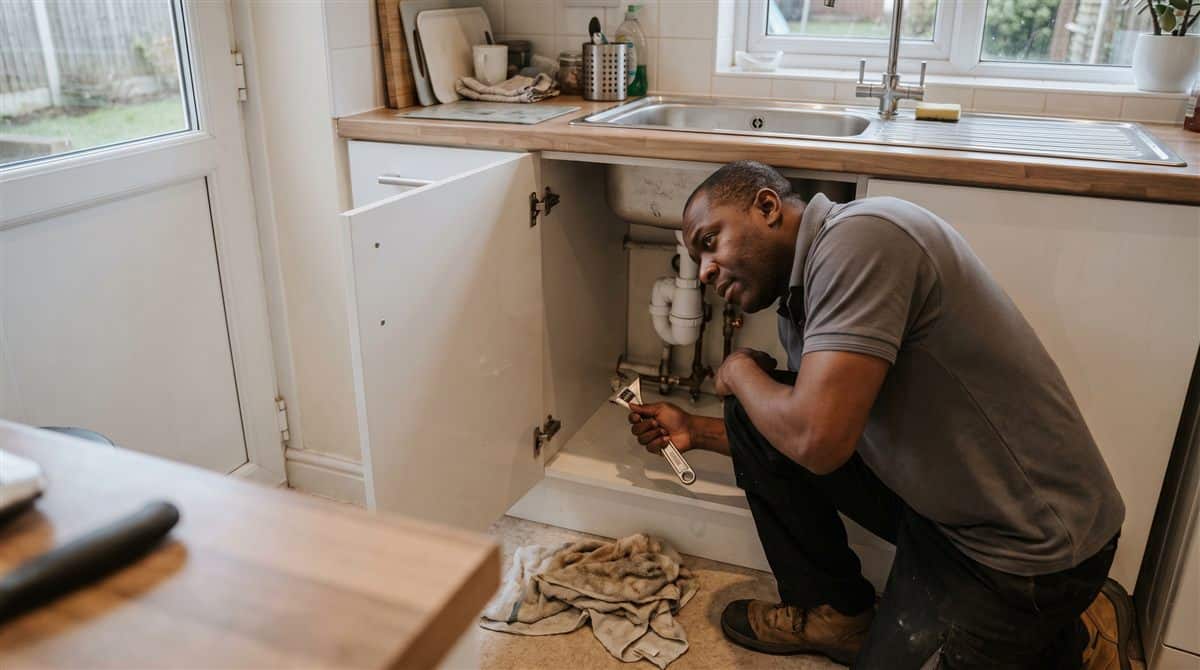
Published hourly figures for British plumbers run from £40 to £90 — but the hourly rate is rarely what decides whether a job paid. The call-out fee is, and most plumbers set it too low. How the three pricing models actually compare.
A dripping tap and a burst pipe are the same visit. One is billed at £80, the other at £300. Published plumber rates UK guides put the hourly figure somewhere between £40 and £90, which is true and almost useless, because the hourly rate is rarely what decides whether the job was worth doing.
The call-out fee does. It is the most misunderstood line on a plumbing invoice and the one most often set too low, usually by the plumber rather than the customer. Get it wrong and a diary full of small jobs will lose you money all year while looking busy.
Figures checked July 2026 against published 2026 UK rate data. Rates move; treat these as market ranges to test your own costs against, not a price list.
Published hourly figures for 2026 cluster between £45 and £85 for standard daytime domestic work, with London and the South East running £60 to £100 and northern England and Wales nearer £35 to £60. Trade-side surveys put the average self-employed plumbing and gas hourly rate around £58 and the average day rate near £400.
Those numbers are not measuring the same thing. Some include the call-out; some do not. Some are what customers paid; some are what plumbers say they charge. And almost all of them quietly assume a full day on site, which is the one assumption domestic plumbing rarely honours.
| Model | Typical 2026 shape | Works when | Where it costs you |
|---|---|---|---|
| Call-out plus hourly | £50–£120 call-out covering the first 30–60 minutes, then £45–£85/hr | Faults, leaks, diagnostics, anything you cannot scope from the phone | Nothing, provided the call-out genuinely covers travel and the first hour |
| Day rate | £250–£500, occasionally higher for heating work | Bathrooms, heating installs, anything over six hours | Overruns are yours if the scope was vague |
| Fixed price per job | Priced from the scope, not the clock | Known work — boiler swap, radiator, toilet, tap | Badly scoped surveys; everything hinges on the site visit |
The mistake is not picking the wrong model. It is using one model for everything. A day rate on a twenty-minute washer change is absurd; an hourly rate on a two-day bathroom invites an argument about how long it should have taken. Trades where the hidden cost is preparation rather than travel run the opposite way — decorators price the room rather than the day for exactly that reason.

It is not a charge for turning up. It is the price of the hour you cannot sell to anyone else.
Drive time, parking, the van, the diagnostic knowledge that finds the fault in ten minutes rather than ninety — all of it lives in that first fee. A plumber who waives the call-out to win a small job has not been generous. They have donated the only part of the visit that was reliably profitable.
Out-of-hours is the same logic with the volume turned up. Evening, weekend and bank holiday work commonly runs at one and a half to twice the standard rate, plus a separate call-out of £50 to £150. The premium is not for difficulty. It is for the Sunday you did not get back.
Work out the minimum a visit can be worth before you answer the phone. The arithmetic is unglamorous and takes five minutes.
Take your annual costs — van, insurance, tools, accountancy, phone, pension, training — and add what you need to earn. Divide by the days you will genuinely be on the tools, which for most domestic plumbers is nearer 180 than 250 once quoting, parts runs, holiday and illness are counted honestly. That gives your day figure. Divide by the number of chargeable visits a day realistically holds, and you have the floor below which a call-out is charity.
Two further things sit inside that floor and are routinely forgotten. Gas work carries a licence cost. Any work on a gas appliance must be done by a registered engineer, and that registration is an annual overhead whether or not gas work comes in — the scope and the obligations are set out in the guide to Gas Safe registration. What that overhead does to your rate is a separate question. The guide to gas engineer rates follows it into the annual service, where it usually disappears. And VAT is a cliff, not a slope. Cross the registration threshold and either your prices rise by a fifth or your margin falls by it.
ON THE CALL-OUT YOU WAIVED
Gut feeling isn’t a financial plan. Real numbers are.
Small jobs feel profitable because they are quick. Whether they actually were is a question about the whole week, not the visit.
Plumbing is unusual in how much rides on that first fee. In a trade where the job title itself hides four different prices, the problem is scoping rather than travel — see the guide to builder rates. The full cost-recovery sum, applied to another trade, is in the guide to electrician rates. To see where plumbing sits against the other British trades before you set a figure, how the five UK trades compare puts each published spread beside what it actually measures. Everything else British sits under UK pricing and market rates and UK licensing and regulations.