Go to SendWork
— Free for 7 Days
Full access
Full access



The Building Safety Levy applies in England from 1 October 2026, and it only reaches developments of ten dwellings or more. Here is what triggers it, why the planning permission decides your answer, and what now stands between a finished house and its completion certificate.
For seventy-two years the line was $600. For work you paid for in 2026 it is $2,000 — here is which subcontractors still need a form in January, and the records that decide it.
Australia's exposure standards become workplace exposure limits on 1 December 2026. Here's which trade dust and fume limits fall, why silica holds, and what to check first.
Published UK trade rates for 2026 span £112 to £700 a day. Here is what each spread really measures, and what sets your own number.
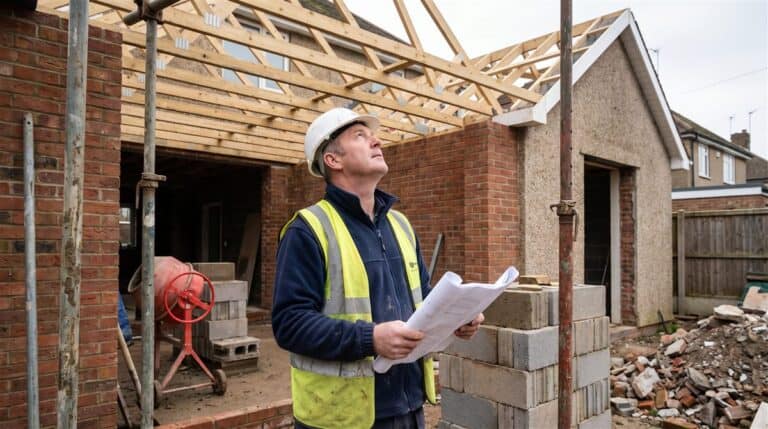
Clients ask for a day rate before they say what the job is. Why published day rates for UK builders span £112 to £400, and how to pick the basis that carries the risk.
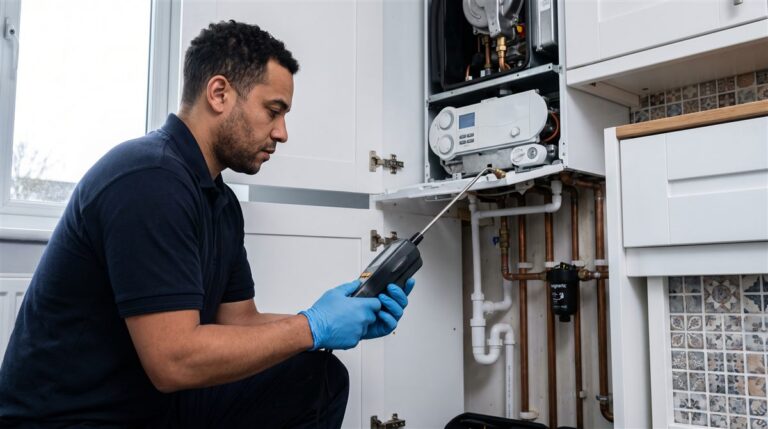
A £100 boiler service is not a £100-an-hour job. Why Gas Safe registration is a cost floor rather than a premium, and where the service visit loses money.
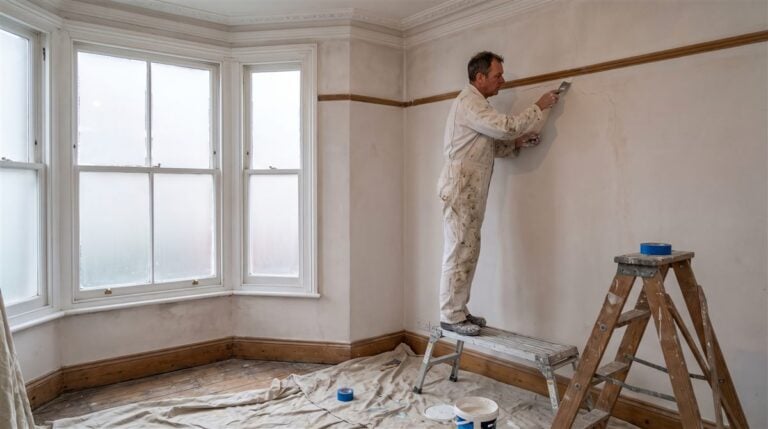
Published day rates for British decorators run from £127 to £700 — because "painter and decorator" is one job title covering two trades at two prices. How to tell which one you are selling, and why preparation is the line item nobody itemises.
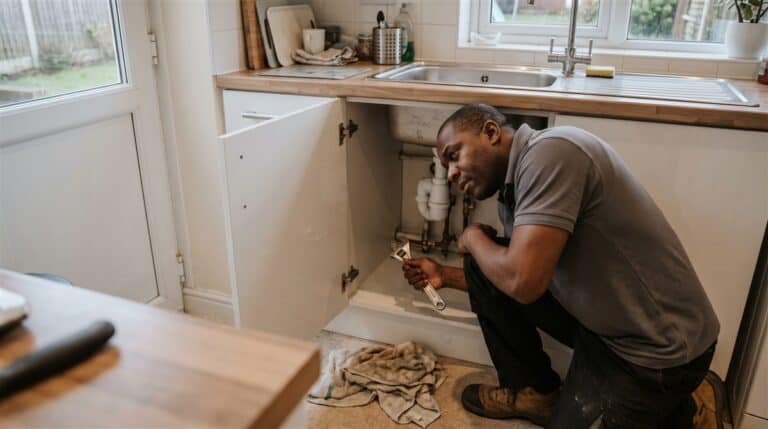
Published hourly figures for British plumbers run from £40 to £90 — but the hourly rate is rarely what decides whether a job paid. The call-out fee is, and most plumbers set it too low. How the three pricing models actually compare.
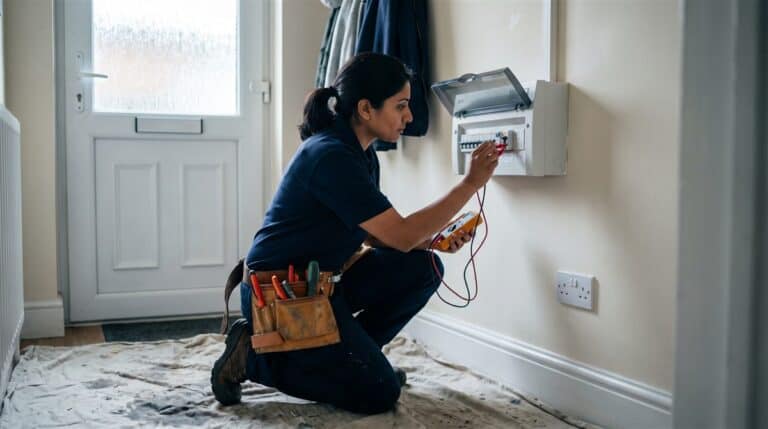
Published day rates for British electricians run from £237 to £400 — because three different pay systems all get called the same thing. How to tell a JIB wage from a subcontract rate from a charge-out rate, and build your own number.
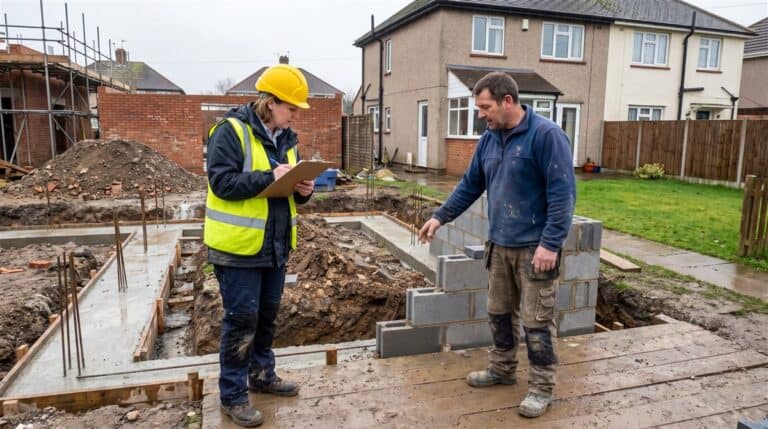
Planning permission and Building Control are different consents, and passing one proves nothing about the other. Here's how to choose your route before you start.